Imagine a world where wrinkled clothes are a distant memory, replaced by perfectly smooth fabrics without the hassle of an iron and ironing board. A Standing Steamer With Garment Hanger is your ticket to that world, transforming your daily routine into a seamless, efficient experience. This isn’t just another kitchen gadget; it’s a game-changer for anyone who values pristine clothing and a touch of everyday luxury.
What is a Standing Steamer with Garment Hanger and Its Importance?
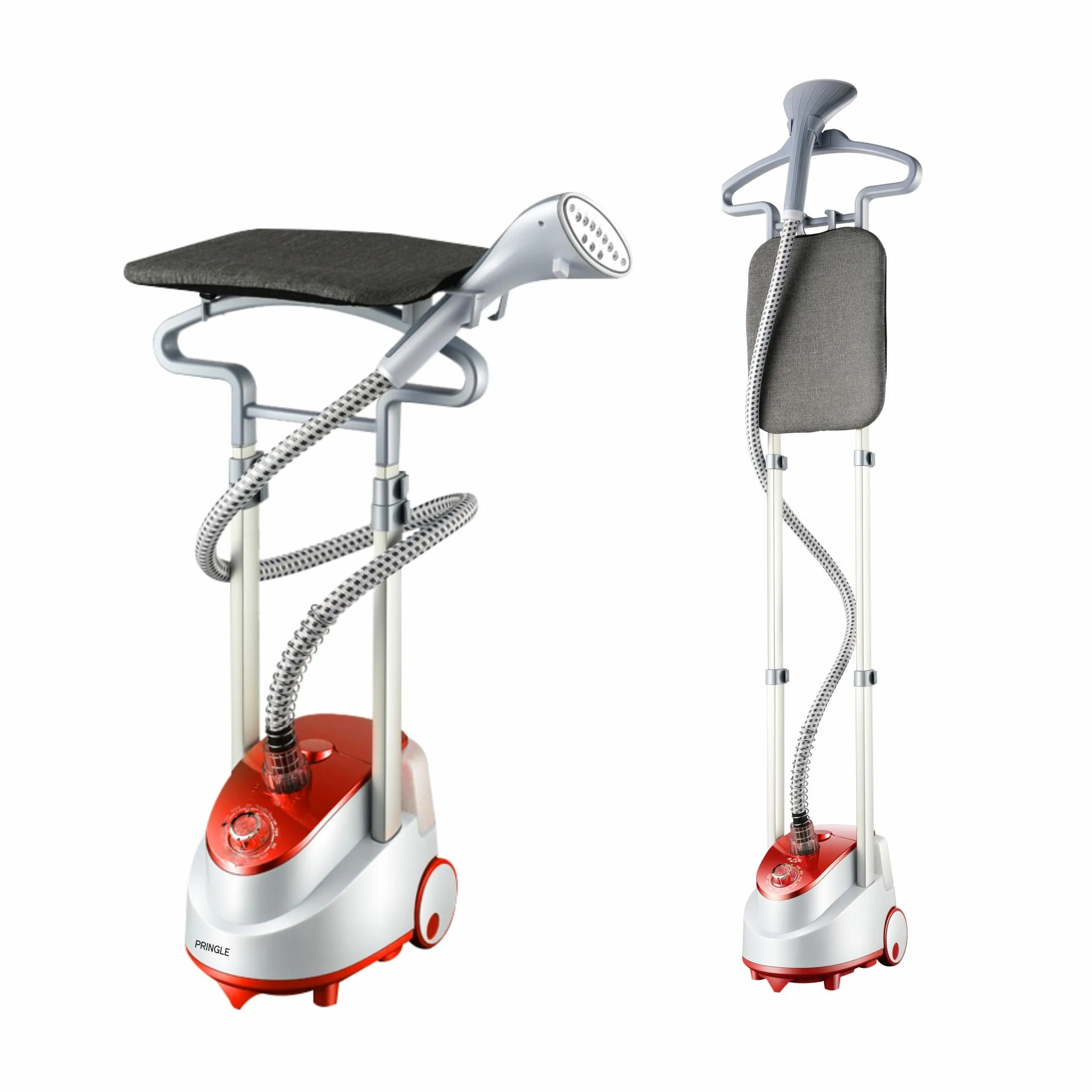
A standing steamer, also known as an upright garment steamer, is a specialized appliance designed to effortlessly remove wrinkles from fabrics using hot steam. Unlike a handheld model, its defining feature is a tall, stable base housing a sizable water tank, a flexible hose terminating in a steam nozzle, and crucially, an integrated or adjustable pole with a garment hanger. This thoughtful design allows you to hang your clothes directly on the unit, providing a hands-free, ergonomic steaming experience.
Its importance in modern fabric care cannot be overstated. From delicate silks that fear the direct heat of an iron to heavy suits and draperies that are cumbersome to lay flat, a standing steamer offers a gentle yet powerful solution. It relaxes fabric fibers, releasing wrinkles without direct contact, thus preserving the integrity and longevity of your garments. For busy individuals and families, this translates to significant time savings and a consistently polished look.
Empty State.Types of Standing Steamers and Essential Accessories
Standing steamers come in various designs, catering to different needs, from compact home models to robust professional units. While the core functionality remains consistent, key differences lie in their power, water tank capacity, heat-up time, and included accessories.
Most models boast powerful heating elements, often ranging from 1350W to 1800W, ensuring rapid steam production. Their water tanks typically hold between 1 to 3 liters, offering continuous steaming sessions from 35 to an impressive 90 minutes – perfect for tackling a full wardrobe or even household linens. Expect quick heat-up times, usually within 45 seconds to 3 minutes, meaning your steamer is ready when you are. Many also feature variable steam settings, allowing you to tailor the steam output to different fabric types, from a gentle mist for silk to a powerful burst for denim.
Essential accessories often accompany these steamers, enhancing their versatility. You’ll frequently find fabric brushes, which help to open fabric weaves for better steam penetration and can remove lint. Crease attachments aid in creating crisp lines, while clips can secure skirts or trousers to the garment hanger. Some advanced models even include a supportive ironing board integrated into the stand, offering a flat surface for collars, cuffs, or quick touch-ups, blending the best of both worlds.
Mastering Your Standing Garment Steamer: A Step-by-Step Guide
Using your standing steamer effectively is simpler than you might think. Here’s how to achieve perfectly smooth garments every time:
- Preparation is Key:
- Water Matters: Always use distilled or filtered water in your steamer. This prevents mineral buildup, which can clog the internal components and shorten your steamer’s lifespan. Fill the water reservoir to the designated maximum line, being careful not to overfill, as this can lead to water spitting during use.
- Hang It Up: Place your garment directly on the steamer’s built-in hanger. Ensure it hangs freely and isn’t bunched up. For longer items like dresses or coats, you might need to adjust the pole’s height.
- Power On and Preheat: Plug in your steamer and turn it on. Allow it to heat up fully – usually indicated by a light or a steady stream of steam without sputtering. This preheating phase, typically 2-3 minutes for standing models, is crucial for optimal performance.
- Steaming Techniques for Success:
- Keep it Taut: Gently pull the bottom hem of your garment with your free hand to keep the fabric taut. This helps the steam penetrate effectively and ensures wrinkles are smoothed out straight.
- Glide and Flow: Hold the steam nozzle a few inches from the fabric. For most materials, you can lightly touch the fabric with the nozzle. However, for delicate items like silk or chiffon, maintain a distance of 1-2 inches to prevent any potential water marks. Move the nozzle in long, even strokes, working from the top of the garment downwards.
- Handle Tricky Spots: For collars, cuffs, or areas with embellishments, consider steaming the garment inside out. Some steamers include a small ironing paddle or board on the hanger for these detailed areas, allowing you to press them gently.
- Post-Steaming Perfection:
- Once steamed, allow your garment to air-dry for 5-10 minutes on the hanger. This lets the fibers fully relax and cool, setting the wrinkle-free finish. Wearing or storing a damp garment can cause new wrinkles to form.
Beyond Wrinkles: Benefits and Applications in Daily Life
The advantages of a standing steamer with garment hanger extend far beyond simply removing wrinkles, integrating seamlessly into a holistic approach to home and wardrobe care.
Time Efficiency That Truly Matters
“Why waste precious minutes battling stubborn creases when a steamer can get the job done in seconds?” is a question many users ask. Standing steamers heat up incredibly fast, often within a minute, and eliminate the need for an ironing board setup. This makes them an ideal solution for last-minute touch-ups before heading out the door, significantly streamlining your morning routine. The continuous, powerful steam output handles multiple garments quickly, allowing you to breeze through your clothes care.
Gentle Fabric Care and Extended Longevity
Traditional irons rely on direct heat and pressure, which can be harsh on certain fabrics, leading to scorching, shiny spots, or even damage. Standing steamers, however, employ a gentle, non-contact method, relaxing the fabric fibers with steam. This makes them perfectly safe for even the most delicate materials, including silk, lace, chiffon, wool, and embellished garments. By preserving the fabric’s integrity, you effectively extend the lifespan of your cherished clothing, making your wardrobe last longer.
The Power of Sanitization and Odor Removal
Beyond aesthetics, a standing steamer is a silent hero in hygiene. The hot steam penetrates deep into fabric fibers, naturally sanitizing clothes by killing up to 99.9% of bacteria, dust mites, and allergens. This makes it an excellent tool for refreshing garments that aren’t quite ready for a full wash but need a quick clean or deodorizing. It’s particularly useful for items like dry-clean-only clothes, outerwear, and even children’s stuffed toys, leaving them fresh and clean.
Versatile Applications Around Your Home
The utility of a standing steamer isn’t confined to your closet. Its reach extends throughout your home, tackling wrinkles and refreshing fabrics in various applications:
- Draperies and Curtains: Easily smooth out wrinkles from hanging curtains without taking them down.
- Upholstery: Freshen up sofas, chairs, and other upholstered furniture, removing odors and killing germs.
- Bed Linens: Quickly de-wrinkle duvet covers and bed skirts right on the bed.
- Delicate Home Textiles: Care for decorative pillows, tablecloths, and other fabric items that are difficult to wash or iron.
Maintaining Your Standing Steamer and Common Troubleshooting
To ensure your standing steamer remains a reliable workhorse for years to come, regular maintenance is key. And when hiccups occur, knowing how to troubleshoot common issues can save you time and frustration.
Keeping Your Steamer in Top Shape
- Empty After Each Use: Always empty the water tank after each steaming session. This prevents stagnant water from fostering bacteria and minimizes mineral buildup.
- Clean Exterior: Wipe down the exterior and steam vents with a soft, damp cloth to remove any residue or dust.
- Regular Descaling: This is paramount. Mineral deposits from water (even filtered water) can accumulate inside the steamer, leading to clogs and reduced performance. Depending on your water hardness and frequency of use, descale your steamer every few weeks or months. A simple solution of equal parts white vinegar and water can be used. Fill the tank, heat the steamer, and allow the solution to steam through until the tank is empty, then rinse thoroughly with clean water. Always refer to your manufacturer’s instructions for specific descaling procedures.
- Proper Storage: Store your steamer in a dry, cool place, ensuring the hose isn’t kinked and the pole is collapsed if it’s adjustable.
Common Troubleshooting Tips
“Maintaining the right water quality is the unsung hero of garment steamer longevity,” advises Anya Sharma, a textile care specialist. “Using distilled water and regular descaling can prevent most common issues, ensuring your steamer delivers perfect results for years.”
Even with the best care, you might encounter a few common issues:
- No Steam or Intermittent Steam:
- Check Water Level: Is the tank empty or too low? Refill it.
- Mineral Buildup: This is the most frequent culprit. Descale your steamer thoroughly.
- Clogged Nozzle/Hose: Inspect for visible blockages; use a small brush or toothpick if safe.
- Airlock: Try tilting the steamer or gently tapping it to dislodge trapped air bubbles.
- Water Leakage or Spitting:
- Overfilled Tank: Ensure you haven’t exceeded the maximum fill line.
- Loose Connections: Check that all parts, especially the water tank, are securely attached.
- Damaged Seals: Over time, seals or gaskets can wear out. If inspection reveals cracks, contact customer service for replacement parts.
- Tilting: Avoid tilting the steamer too far forward during use, especially handheld versions.
- Steamer Not Turning On:
- Power Supply: Check the plug, outlet, and any circuit breakers.
- Power Cord: Inspect the cord for any visible damage.
- Overheating: Some steamers have an automatic shut-off feature to prevent overheating. Allow it to cool down for a while before trying again.
Frequently Asked Questions (FAQ)
1. Is a standing steamer with a garment hanger better than a traditional iron?
For most fabrics, especially delicates and large items, yes. Standing steamers are faster, gentler on clothes, and eliminate the need for an ironing board, making them a more convenient and versatile option for daily wrinkle removal and fabric refreshing.
2. Can I use tap water in my standing garment steamer?
It’s strongly recommended to use distilled or filtered water. Tap water, especially hard water, contains minerals that can build up inside the steamer, leading to clogs, reduced steam output, and a shorter lifespan for your appliance.
3. How long does it take for a standing steamer to heat up?
Most standing steamers heat up quickly, typically within 45 seconds to 3 minutes, making them ideal for quick touch-ups and busy schedules. Always wait for the steamer to produce a steady stream of steam before you begin.
4. What kind of fabrics can I steam with a standing steamer?
Standing steamers are safe and effective for almost all fabrics, including delicate materials like silk, chiffon, lace, wool, and satin, as well as cotton, linen, polyester, and blends. Avoid steaming materials made from animal hide, such as suede and leather.
5. Can a garment steamer sanitize clothes?
Yes, the hot steam generated by a garment steamer can effectively kill bacteria, dust mites, and allergens present on fabrics, providing a natural way to sanitize and freshen clothes and home textiles without harsh chemicals.
6. How often should I descale my standing steamer?
The frequency depends on your water hardness and how often you use the steamer. If you use it regularly or live in an area with hard water, descaling once a month or every few weeks is advisable. Always follow the manufacturer’s guidelines.
7. What if my standing steamer is spitting water instead of steam?
This usually indicates insufficient heat-up time, an overfilled water tank, or mineral buildup. Ensure the steamer is fully preheated, don’t overfill the tank, and regularly descale the unit to prevent this issue.
Conclusion
A standing steamer with garment hanger is more than just a convenience; it’s an indispensable tool for maintaining a perfectly polished wardrobe and a fresh home environment. Its ability to quickly and gently smooth wrinkles, sanitize fabrics, and refresh household textiles makes it a superior alternative to traditional ironing. Embrace the ease and efficiency this incredible appliance offers, and transform your clothes care routine. It’s time to experience the joy of effortlessly crisp garments and the confidence that comes with looking your best every single day.