Let’s be honest, dealing with wrinkles can feel like a never-ending battle. You pull out a favorite shirt, only to find it looks like it’s been in a wrestling match. That’s where a Jiffy Garment Steamer steps in, transforming your wardrobe woes into a simple, satisfying ritual. Known for its robust build and powerful performance, the Jiffy garment steamer isn’t just a tool; it’s a game-changer for anyone seeking a quick, gentle, and effective way to refresh their clothes and fabrics.
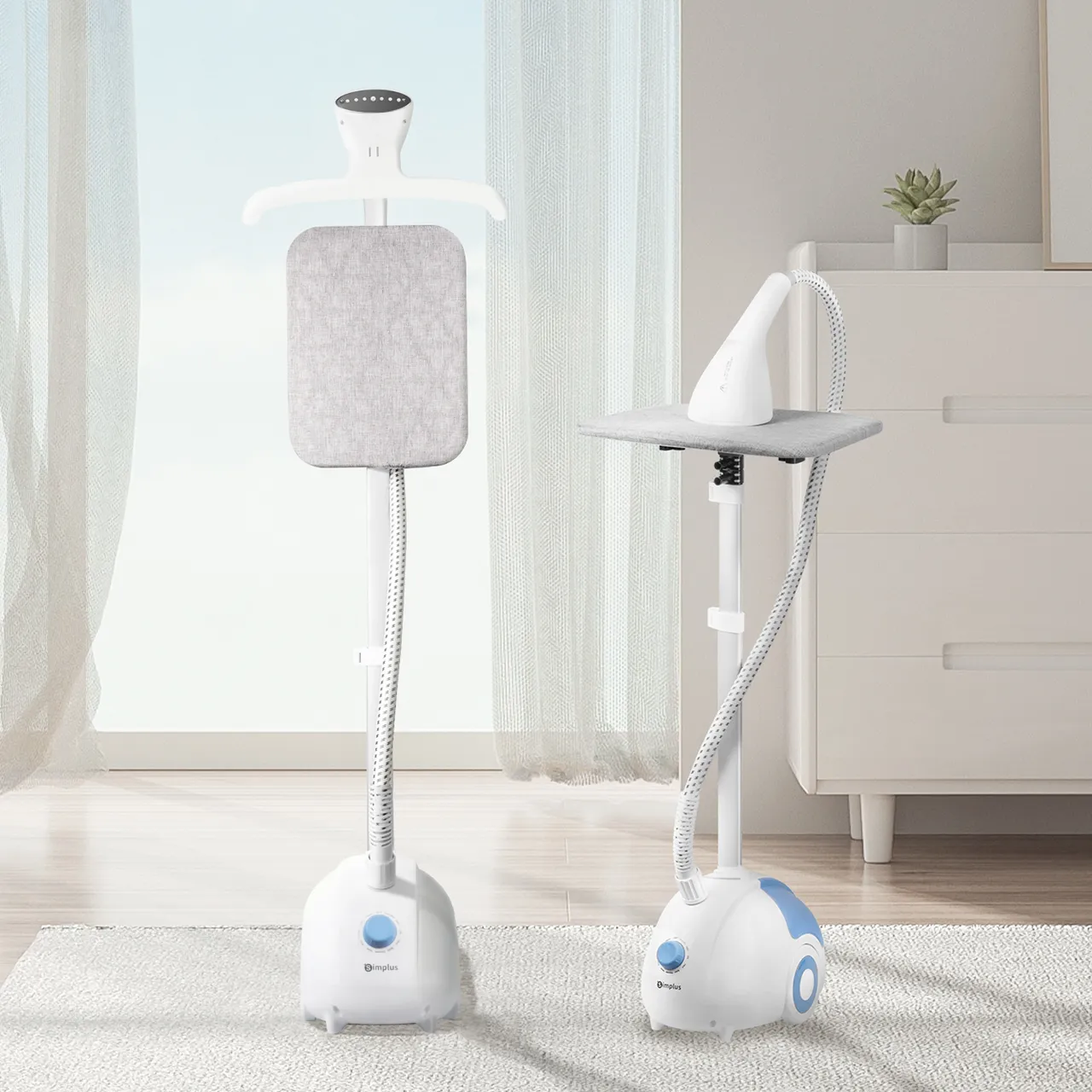
What is a Jiffy Garment Steamer?
At its heart, a Jiffy garment steamer is a revolutionary appliance designed to effortlessly remove wrinkles and refresh fabrics using the power of steam. Unlike traditional ironing, which presses and flattens fabric fibers with direct heat, steaming relaxes them with gentle, moist heat. This makes it a much safer alternative for delicate materials that might otherwise be damaged by an iron. Jiffy Steamer, an American-made brand with a legacy stretching back to 1940, has built a reputation for crafting durable, professional-grade steamers that stand the test of time, earning them the moniker “the Cadillac of steamers.”
Why Choose a Jiffy Garment Steamer?
Choosing a Jiffy garment steamer means investing in quality and convenience. These steamers are celebrated for their speed, often removing wrinkles five times faster than ironing, making them perfect for busy mornings or last-minute touch-ups. Their gentle approach ensures that even your most treasured garments, from delicate silks to structured suits, remain unharmed, free from the risk of scorching or shine. Beyond just wrinkle removal, Jiffy steamers can refresh fabrics, neutralize odors, and even tackle allergens like dust mites on upholstery and mattresses, making them a versatile addition to any home. The brand’s commitment to American craftsmanship and an industry-leading three-year warranty further solidify its position as a trustworthy choice for discerning users.
Types of Jiffy Garment Steamers: Finding Your Perfect Match
Jiffy offers a range of steamers, each tailored to different needs, from quick home use to heavy-duty commercial applications.
J-2 and J-2000 Series: The Home & Light Commercial Powerhouses
The J-2 and J-2000 models are the go-to choices for residential users and light commercial settings. They are renowned for their quick heat-up time, typically ready to steam in about two minutes. Featuring a convenient 3/4-gallon detachable water tank, these units are easy to fill directly from a sink, providing ample steam for several garments without constant refills. The J-2000, for example, is highly praised for its durability and effectiveness in removing wrinkles from a variety of fabrics, making it an excellent long-term investment.
J-4000 Series: The Commercial Workhorse
For those who need continuous, heavy-duty performance, the Jiffy J-4000 series is the undisputed champion. This commercial-grade model boasts a larger one-gallon non-detachable water tank and a slightly bigger heating element, generating approximately 15% more steam flow than the J-2000. While it takes a bit longer to heat up (around 15 minutes), its standout feature is a “standby” setting, allowing the unit to maintain a preheat temperature throughout the day for instant steaming whenever needed. This makes it ideal for retail stores, fashion designers, or anyone requiring constant wrinkle removal.
Esteam: Your Portable Wrinkle Solution
The Esteam handheld travel steamer is designed for life on the go. Compact and lightweight, standing at just 10 ½ inches tall, it’s perfect for business trips, college students, or quick touch-ups at home. Despite its small size, it delivers impressive steam power, almost comparable to the J-2000, thanks to the short distance the steam travels. Its main limitation is a smaller water reservoir, providing about 15 minutes of continuous steaming.
Here’s a quick comparison between the popular J-2000 and J-4000 models:
| Feature | J-2000 Series (Home & Light Commercial) | J-4000 Series (Commercial & Heavy-Duty) |
|---|---|---|
| Heat-up Time | Approx. 2 minutes | Approx. 15 minutes (2 mins from standby) |
| Steam Flow | Strong, effective | 15% more than J-2000 |
| Water Tank | 3/4-gallon, detachable, easy to fill | 1-gallon, non-detachable, requires funnel/jug |
| Settings | On/Off | On/Off/Standby (Preheat) |
| Portability | More compact, easier to store | Larger, less compact |
| Cost | Generally lower | Generally higher |
| Best Use | Home, light commercial, occasional heavy use | Continuous commercial use, heavy-duty tasks |
Unleashing the Power: How to Use Your Jiffy Garment Steamer Effectively
Getting the best results from your Jiffy garment steamer is straightforward.
- Preparation: Always fill your steamer with water. While some models tolerate tap water, using distilled water can significantly extend the life of your unit by preventing mineral buildup. Never overfill, and ensure the cap is securely twisted on.
- Heat It Up: Plug in your steamer and allow it to heat up fully until a consistent flow of steam is produced. This usually takes just a couple of minutes for most home models.
- Steaming Technique:
- Keep the Hose Upright: This is crucial! Always steam with the hose in an upright position. This allows any condensation to flow back into the steamer, preventing water spitting on your garments. If steaming low, occasionally straighten the hose upward to clear it. [cite: 1, 2, 4 in ‘how to use jiffy garment steamer’ search]
- Light Contact: Gently touch the fabric with the steam head. The combination of steam and the head’s light pressure works wonders. For some items, steaming from the underside helps relax the fibers more effectively.
- Vertical Motion: Use an up-and-down vertical motion. Avoid tilting the unit forward or backward during operation to prevent water discharge. [cite: 4 in ‘how to use jiffy garment steamer’ search]
- Delicate Fabrics: For velvet or silk, avoid direct contact with the steam head. Hover the head slightly above the fabric to allow the steam to penetrate gently.
“A good steaming technique isn’t just about removing wrinkles; it’s about treating your clothes with care,” advises textile care expert, Amelia Harrison. “By keeping the hose elevated and using a light touch, you ensure an even, gentle steam that preserves fabric integrity.”
Beyond Clothing: Creative Applications of Your Jiffy Steamer
A Jiffy garment steamer isn’t just for your shirts and dresses. Its powerful steam has a myriad of uses around the home:
- Drapery and Curtains: Effortlessly remove creases from hanging drapes, giving your windows a crisp, clean look.
- Upholstery: Freshen up furniture, remove light odors, and even tackle dust mites in sofas and chairs.
- Tablecloths and Linens: Get perfect, crease-free tablecloths for special occasions.
- Hats: Reshape and refresh hats with gentle steam, a technique long used by hat makers.
- Bed Bugs & Dust Mite Removal: The high heat of the steam can be an effective chemical-free method for treating mattresses and other fabric surfaces for pests. [cite: 1 in ‘how to use jiffy garment steamer’ search]
Keeping It Steaming: Maintenance and Troubleshooting Tips
To ensure your Jiffy garment steamer provides years of reliable service, a little care goes a long way.
Regular Maintenance:
- Clean Periodically: Sediment buildup from water is the most common issue. Use Jiffy Liquid Cleaner every 3 to 4 months, depending on usage and water hardness, to descale the heating element. [cite: 1, 5 in ‘jiffy garment steamer troubleshooting and maintenance’ search]
- Avoid Additives: Never put salt, vinegar, bleach, perfumes, or dyes into the water tank. These can corrode internal parts and cause clogs. [cite: 5 in ‘jiffy garment steamer troubleshooting and maintenance’ search]
- Never Run Dry: Always ensure there’s water in the tank. Running the steamer dry can damage the heating element. [cite: 5 in ‘jiffy garment steamer troubleshooting and maintenance’ search]
- Cool Down Before Refilling: Avoid pouring cold water into a hot steamer. Allow the unit to cool before refilling to prevent potential damage. [cite: 5 in ‘jiffy garment steamer troubleshooting and maintenance’ search]
- Secure Connections: Make sure the hose nut is securely tightened to prevent leaks. [cite: 5 in ‘jiffy garment steamer troubleshooting and maintenance’ search]
- Storage: Before storing for extended periods (30 days or more), empty all water from the unit to prevent sediment and stagnation. [cite: 5 in ‘jiffy garment steamer troubleshooting and maintenance’ search]
Common Troubleshooting Issues:
- Steamer Spits Water: This is usually due to overfilling, condensation in the hose, or sediment buildup. Don’t overfill, keep the hose upright, and clean the unit regularly. [cite: 1, 2, 5 in ‘jiffy garment steamer troubleshooting and maintenance’ search]
- Poor Steam or Cycles On/Off: Often indicates sediment buildup requiring a thorough cleaning. It could also point to thermostat trouble. [cite: 1, 2, 3, 4 in ‘jiffy garment steamer troubleshooting and maintenance’ search]
- No Heat or Steam: Check the water level. It could also be a blown fusible link wire or a faulty heating element. These more complex issues might require professional service. [cite: 1, 2, 3, 4 in ‘jiffy garment steamer troubleshooting and maintenance’ search]
Frequently Asked Questions about Jiffy Garment Steamers
Q: How often should I clean my Jiffy steamer?
A: It’s recommended to clean your Jiffy steamer with Jiffy Liquid Cleaner every 3 to 4 months, especially if you use it frequently or live in an area with hard water, to prevent mineral deposits. [cite: 1 in ‘jiffy garment steamer troubleshooting and maintenance’ search]
Q: Can I use tap water in my Jiffy steamer?
A: While some Jiffy models can tolerate tap water, using distilled water is highly recommended to prevent mineral buildup and extend the life of your steamer. If using tap water, regular cleaning with Jiffy Liquid Cleaner is essential. [cite: 5 in ‘how to use jiffy garment steamer’ search, 5 in ‘jiffy garment steamer troubleshooting and maintenance’ search]
Q: Is steaming really better than ironing?
A: Steaming is generally gentler, faster, and safer for delicate fabrics compared to ironing. It relaxes fabric fibers to remove wrinkles without direct heat, preventing scorching or shine. However, an iron is still necessary for creating sharp creases. [cite: 2 in ‘how to use jiffy garment steamer’ search]
Q: How long does a Jiffy steamer last?
A: Jiffy steamers are known for their exceptional durability and are often built to last for decades with proper maintenance. The company backs its products with an industry-leading three-year warranty. [cite: 3 in ‘jiffy garment steamer search intent’ search]
Q: What’s the main difference between a J-2000 and a J-4000?
A: The J-2000 is ideal for home and light commercial use, offering quick heat-up and a detachable tank. The J-4000 is a heavy-duty commercial model designed for continuous use, featuring a larger tank and a standby setting, though it has a longer initial heat-up time.
Conclusion
The jiffy garment steamer is more than just an appliance; it’s a testament to enduring craftsmanship and a dedication to superior fabric care. Whether you’re a fashion professional or simply seeking to streamline your daily routine, a Jiffy steamer offers a reliable, efficient, and gentle solution for keeping your clothes looking their best. By understanding the different models, mastering proper usage techniques, and committing to simple maintenance, you can ensure your jiffy garment steamer remains a trusted companion for years to come, making wrinkle-free perfection an effortless reality. Experience the difference and step out confidently with perfectly steamed garments every time.