In a world where first impressions matter and presentation is everything, a professional garment steamer stands as an indispensable tool, transforming crumpled clothes into pristine attire with remarkable ease. Forget the days of wrestling with an ironing board and battling stubborn wrinkles. For anyone serious about garment care, whether for a bustling retail environment, a high-volume personal wardrobe, or delicate fabrics that demand a gentle touch, investing in the Best Professional Garment Steamer is a game-changer. It’s not merely about removing creases; it’s about preserving fabric quality, sanitizing garments, and ensuring every item looks its absolute best.
What is a Professional Garment Steamer and Why Does it Matter?
At its core, a garment steamer is an appliance that uses hot steam to relax the fibers in fabric, effectively smoothing out wrinkles without direct contact or intense pressure. A professional garment steamer takes this capability to the next level. These are robust, heavy-duty machines designed for continuous, intensive use, unlike their compact handheld counterparts. They are the workhorses found in boutiques, hotels, fashion studios, and even in the homes of individuals who demand the highest standard of garment presentation and care.
The importance of a professional-grade steamer cannot be overstated. It offers unparalleled efficiency, allowing you to quickly refresh multiple garments, drapes, or upholstery items in a fraction of the time an iron would take. More importantly, it’s significantly gentler on fabrics, making it ideal for delicate silks, satins, wools, and intricate designs that might be damaged by the direct heat and pressure of an iron. This not only keeps your clothes looking newer for longer but also extends their lifespan, making it a smart investment for both personal and business use.
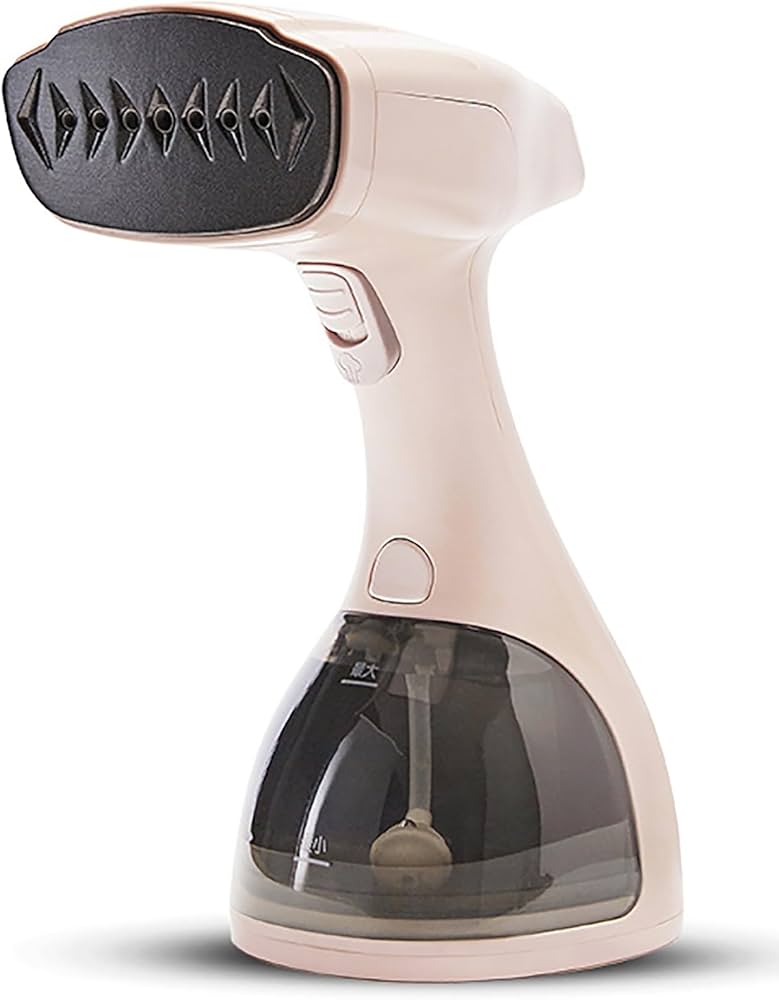
Unveiling the Power: Key Features of the Best Professional Garment Steamers
Choosing the right professional garment steamer means understanding what truly sets the top models apart. Here’s a rundown of the essential features to look for:
Power and Steam Output: The Core of Performance
The heart of any great steamer lies in its power. Professional models typically boast high wattage, often ranging from 1700W to 2000W, which translates directly into denser and more consistent steam. Look for a steam output measured in grams per minute (g/min), with top-tier options delivering 30 g/min up to even 100 g/min. This high output ensures fast and effective wrinkle removal, even on thick and stubborn fabrics like denim or heavy upholstery.
Water Tank Capacity & Continuous Steam: Long-Haul Efficiency
For professional settings, frequent refills are a productivity killer. The best professional garment steamers feature large water tanks, typically ranging from 2.5 to 4 liters, allowing for extended periods of continuous steaming—often 90 minutes or more. This substantial capacity ensures you can tackle a full rack of clothing or an entire room of drapes without interruption, keeping your workflow smooth and efficient.
Rapid Heat-Up Time: Ready When You Are
Time is money, especially in a professional context. A quick heat-up time is crucial for on-demand use and efficient operations. Many leading professional steamers can be ready to produce powerful steam in as little as 30 to 60 seconds, meaning less waiting and more doing.
Durability & Build Quality: Built to Last
Unlike consumer-grade models, professional garment steamers are built for the long haul. They feature robust construction with high-quality components designed to withstand daily intensive use. Look for models with sturdy telescopic poles, durable steam hoses, and reliable internal mechanisms that promise years of consistent performance.
Mobility and Design: Effortless Maneuvering
Even powerful machines need to be user-friendly. Features like smooth-rolling wheels, adjustable-height telescopic poles, and ergonomic, multi-functional hangers make professional steamers easy to move around and adaptable to various garment sizes and settings. A well-designed unit enhances user comfort and reduces fatigue during long steaming sessions.
Versatile Attachments: Specialized Care
The best professional steamers come equipped with a range of attachments to handle diverse fabric care needs. Fabric brushes help steam penetrate thicker materials, crease tools can define pleats or collars, and protective gloves ensure safe operation. These accessories enhance the steamer’s versatility, allowing you to achieve professional results on virtually any item.
Safety First: Peace of Mind
Safety features are paramount when dealing with hot steam. Look for professional steamers with automatic shut-off functions that activate when the water tank is empty or if the unit overheats. Anti-calc systems are also beneficial, preventing mineral buildup and extending the life of your appliance, while descaling alerts keep you informed about maintenance needs.
Adjustable Settings: Tailored to Your Fabric
While powerful, professional steamers also offer finesse. Multiple adjustable steam settings allow you to tailor the steam intensity to specific fabric types, from delicate silk scarves to heavy wool coats, ensuring optimal results without the risk of damage.
Types of Professional Garment Steamers: Finding Your Perfect Match
When we talk about “professional garment steamers,” we are almost exclusively referring to upright or vertical steamers. These are the full-sized, standing models that come with a base unit, a water tank, a long hose, and a steam nozzle, often accompanied by an integrated hanger system.
- Upright/Vertical Steamers: These are the gold standard for professional garment care. Their robust design, large water tanks, and powerful, consistent steam output make them ideal for high-volume use. They are perfect for steaming suits, dresses, coats, drapes, and even bed linens efficiently. While less portable than handheld options, many come with wheels for easy relocation within a workspace.
While handheld steamers exist, they are generally considered better for quick touch-ups or travel rather than heavy-duty professional applications. For consistent, high-performance steaming, an upright professional model is the clear choice.
Mastering the Art: How to Use Your Professional Garment Steamer Effectively
Using a professional garment steamer is surprisingly straightforward, but a few techniques can elevate your results to truly professional standards.
- Preparation is Key: Always ensure your steamer’s water tank is filled, ideally with distilled water to prevent mineral buildup and extend the life of your machine. Hang the garment you intend to steam on the steamer’s integrated hanger or a sturdy clothes hanger.
- Allow for Proper Heat-Up: Wait until the steamer is fully heated and producing a consistent stream of steam before you begin. Rushing this step can lead to inconsistent results or even water spotting.
- Hold the Nozzle Correctly: Hold the steam nozzle a few inches away from the fabric, moving it in a gentle up-and-down motion. For best results, gently pull the fabric taut with your free hand to allow the steam to penetrate effectively and relax the fibers.
- Work in Sections: Tackle one section of the garment at a time, moving systematically from top to bottom. For sleeves or pant legs, hold the fabric open with one hand to allow steam to reach both sides.
- Be Mindful of Delicate Fabrics: For very delicate materials like silk or chiffon, maintain a slightly greater distance between the nozzle and the fabric, or use a fabric brush attachment to diffuse the steam further.
- Let It Cool: Once steamed, allow the garment to cool and dry completely on the hanger before wearing or storing. This helps the fabric “set” in its wrinkle-free state.
Tips and Tricks for Professional-Level Steaming
Want to get the most out of your professional garment steamer? Here are some expert tips:
- Pre-sort Garments: Group clothes by fabric type if you have adjustable steam settings. This streamlines your process and ensures optimal care for each material.
- Use Distilled Water: This cannot be stressed enough. Tap water contains minerals that can lead to limescale buildup, clogging your steamer and reducing its efficiency and lifespan.
- Keep the Nozzle Moving: Don’t let the steam nozzle linger in one spot, especially on delicate fabrics, as this can lead to water marks or over-saturation.
- Clean Regularly: Follow the manufacturer’s instructions for descaling and cleaning your steamer. Regular maintenance is key to consistent, powerful steam output.
- Protect Embellishments: For garments with sequins, beads, or other delicate embellishments, steam from the inside out or cover the embellishments with a cloth to protect them from direct steam.
- Consider a Steam Mitt: A heat-resistant mitt worn on your free hand can protect you from steam while allowing you to hold fabrics taut for better results.
Beyond Wrinkles: Benefits and Applications in Daily Life
A professional garment steamer offers a multitude of benefits that extend far beyond simply smoothing out wrinkles. It’s a holistic garment care solution that integrates seamlessly into both professional and personal routines:
- Extending Garment Life: By gently relaxing fabric fibers rather than pressing them with heat and pressure, steamers are much kinder to your clothes. This preserves the fabric’s integrity, color, and shape, helping your garments last longer.
- Sanitizing and Refreshing: The high temperature of the steam effectively kills bacteria, dust mites, and helps eliminate odors from clothes, upholstery, and drapes. This is particularly valuable for items that are difficult to wash or for freshening up clothes between dry-cleaning visits.
- Versatile Applications: Professional steamers aren’t just for clothes. They can be used on curtains and drapes (even while they’re hanging!), upholstered furniture, bed linens, tablecloths, and more, making them a powerful tool for maintaining a pristine environment.
- Speed and Convenience: Without the need for an ironing board or complex setup, steaming is significantly faster and more convenient for daily use, quick touch-ups, or when you’re in a hurry.
Maintaining Your Steamer: Care and Common Troubleshooting
To ensure your professional garment steamer continues to perform at its peak, a little care goes a long way.
- Descaling is Essential: Limescale buildup from tap water is the enemy of steamers. Most professional models will have an anti-calc system or a recommended descaling process, often involving white vinegar or a specialized descaling solution. Perform this regularly according to your manual.
- Proper Storage: Always empty the water tank after each use to prevent stagnant water and mineral deposits. Store your steamer upright in a cool, dry place, ensuring the hose isn’t kinked.
- Basic Troubleshooting:
- No Steam/Weak Steam: Check the water level, ensure it’s plugged in correctly, and verify the heat-up time has passed. Descaling might be needed.
- Leaking Water: Overfilling the tank or tilting the steamer too much can cause leaks. Ensure the hose is not kinked, and the nozzle is fully heated before use.
- Fabric Wetness: Holding the nozzle too close, moving too slowly, or insufficient heat-up time can lead to fabric dampness.
Garment Steamer vs. Traditional Iron: A Professional’s Perspective
While a professional garment steamer excels in many areas, it’s not a direct replacement for an iron. Instead, they are complementary tools, each with its unique strengths.
- When to Choose a Steamer: Opt for a steamer when dealing with delicate fabrics (silk, velvet, cashmere), intricate garments, items with embellishments, or when you need a quick refresh. Steamers are fantastic for removing light to medium wrinkles, sanitizing, and de-odorizing. They are also superior for items that hang, such as drapes, suits, and dresses, offering convenience and speed.
- When to Choose an Iron: An iron is your go-to for achieving crisp creases, sharp edges, and a perfectly flat finish, especially on structured garments like dress shirts, trousers, or anything with pleats and collars. The combination of heat, pressure, and steam from an iron is unmatched for stubborn, deep-set wrinkles and heavier fabrics like linen and cotton that require significant pressure to flatten.
- The Best Approach: For many, the ideal garment care arsenal includes both. A professional garment steamer handles the majority of daily wrinkle removal, delicate items, and refreshes, while an iron is reserved for those specific occasions demanding a razor-sharp, pressed look.
Expert Insights: What the Pros Say
According to Clara Johansson, a renowned textile care specialist, “A professional garment steamer isn’t just about speed; it’s about preserving the integrity of fabrics, offering a gentle yet powerful alternative for garment care that an iron often can’t match, especially for delicate or structured pieces. It’s an investment in the longevity and presentation of your wardrobe.”
Frequently Asked Questions
Q1: Is a professional garment steamer worth the investment for home use?
A: Absolutely, if you have a large wardrobe, frequently wear delicate fabrics, or need to refresh items like curtains and upholstery often. The time-saving and fabric-preserving benefits make it a valuable asset.
Q2: Can a garment steamer completely replace an iron?
A: For many everyday garments and delicate fabrics, yes. However, for crisp creases, sharp lines, or very heavy fabrics, a traditional iron is still often superior. Many professionals own both.
Q3: How often should I descale my professional garment steamer?
A: This depends on your water hardness and frequency of use. If using tap water, descaling monthly or every 20-30 hours of use is a good practice. With distilled water, less frequent descaling is needed.
Q4: Are professional garment steamers safe for all fabrics?
A: Most professional steamers are safe for nearly all fabrics, including silk, satin, wool, and synthetics, because they don’t involve direct contact or extreme pressure. However, always check the garment’s care label and test on an inconspicuous area first.
Q5: What is the ideal wattage for a professional garment steamer?
A: For truly professional performance, look for steamers with at least 1700W, with many top models reaching 1800W to 2000W. Higher wattage generally means more powerful and consistent steam.
Q6: Can a garment steamer sanitize clothing?
A: Yes, the high temperature of the steam generated by professional garment steamers is effective at killing a significant percentage of bacteria, germs, and dust mites, offering a sanitizing benefit for your clothes and household items.
Q7: How long does a professional garment steamer typically last?
A: With proper care and maintenance, a high-quality professional garment steamer can last for many years, often 5-10 years or more, thanks to their durable construction designed for intensive use.
The Future of Garment Care is Here
Embracing the best professional garment steamer isn’t just about streamlining your daily routine; it’s about elevating your standard of garment care. From the rapid elimination of wrinkles to the gentle sanitization of delicate fabrics, these powerful machines offer a level of convenience and performance that traditional methods often can’t match. Whether you’re a fashion enthusiast, a busy professional, or simply someone who appreciates the crisp, fresh look of well-maintained clothing, a professional garment steamer is an investment that truly pays off. So go ahead, step into the future of fabric care, and experience the transformative power of steam. Your wardrobe, and your peace of mind, will thank you.