Tired of battling stubborn wrinkles with an old-fashioned iron and ironing board? Imagine a world where perfectly smooth clothes are just a quick steam away, effortlessly refreshing your wardrobe and making you look sharp in minutes. That’s the magic of the Best Garment Steamer, a game-changer for anyone who values convenience, efficiency, and pristine attire. These handy devices have revolutionized how we care for our clothes, offering a gentler, faster, and often more effective alternative to traditional ironing, especially for delicate fabrics or quick touch-ups.
What is a Garment Steamer and Why is it Essential?
At its core, a garment steamer is an appliance that releases a continuous flow of hot steam to relax the fibers in fabric, smoothing out wrinkles without direct contact or intense heat. Unlike irons that press and flatten clothes, steamers fluff up the fabric, making them ideal for a wide range of materials that might otherwise be damaged by an iron’s soleplate. Think about those beautiful silk blouses, pleated skirts, or tailored jackets—a steamer handles them with care, preserving their shape and texture. It’s not just about looking presentable; it’s about extending the life of your garments and simplifying your daily routine. In today’s fast-paced world, having a reliable garment steamer means you can say goodbye to time-consuming ironing sessions and hello to fresh, wrinkle-free clothes in a flash.
Empty State.Exploring the Types of Garment Steamers and Their Accessories
Garment steamers come in various forms, each designed to meet different needs and lifestyles. Understanding the distinctions will help you choose the best garment steamer for your personal routine.
Handheld Garment Steamers
These compact, lightweight steamers are perfect for quick touch-ups, travel, or small living spaces. They heat up rapidly and are easy to maneuver, making them ideal for single items or refreshing clothes between wears. Many travelers swear by them for keeping outfits crisp on the go. While their water tanks are typically smaller, offering shorter steam times, their portability is unmatched.
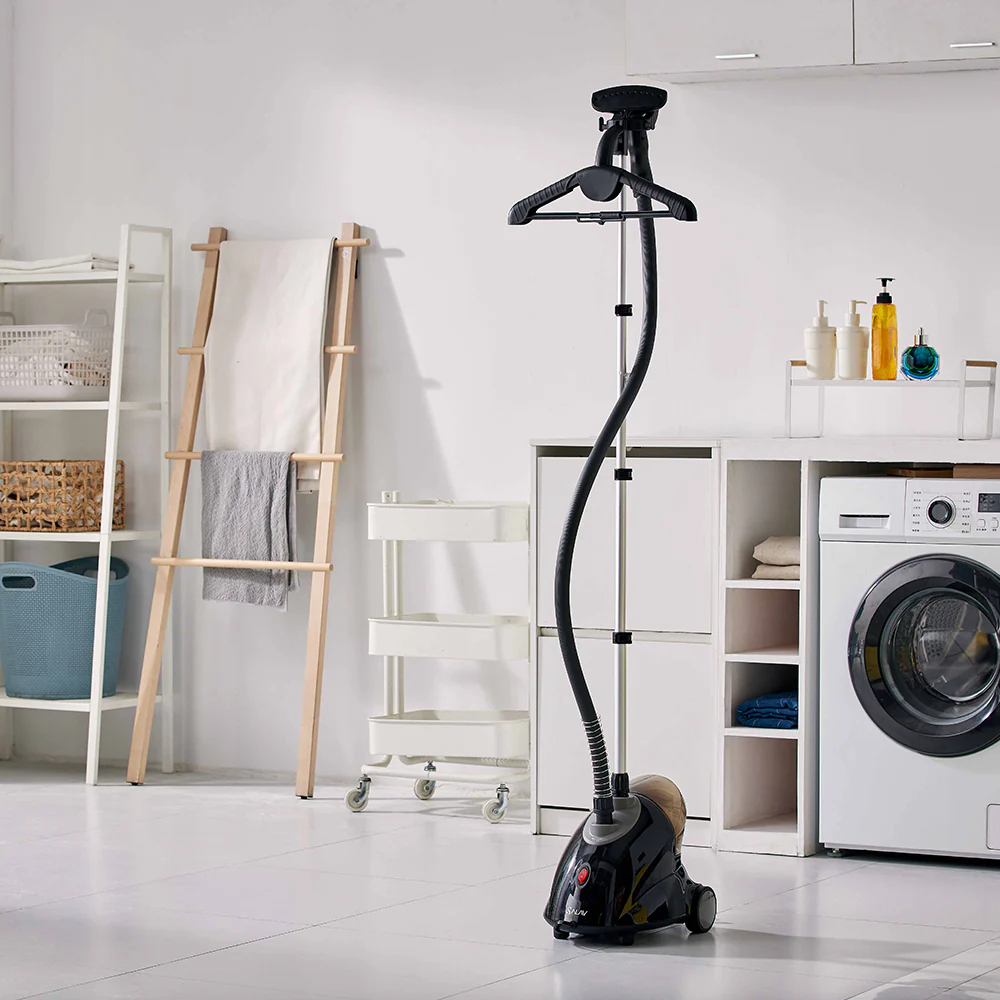
Upright/Standing Garment Steamers
For those with a more extensive wardrobe or who frequently steam multiple items, upright steamers are a powerhouse. These models feature larger water tanks, providing extended steam times, and often come with a built-in hanger, clips, and an adjustable pole for hands-free convenience. They deliver a more consistent and powerful steam output, making them highly effective for heavier fabrics, drapes, and even upholstery.
Two-in-One Iron/Steamer Combos
Some innovative devices offer the best of both worlds, functioning as both a steamer and a traditional iron. These versatile units typically feature a heated soleplate that can be used for pressing sharp creases while still providing the gentle wrinkle-removing power of steam. They are a great option if you appreciate flexibility in your garment care routine.
Essential Accessories
The right attachments can elevate your steaming experience. Common accessories include:
- Fabric brushes: Help steam penetrate heavier fabrics and remove lint.
- Lint removers: Essential for keeping dark fabrics fuzz-free.
- Creasers: For achieving crisp pleats and sharp lines on trousers or shirts.
- Delicate fabric spacers: Protect fragile materials from direct heat.
- Steaming mitts: Offer protection for your hand while you hold fabric taut.
Key Features to Look for in the Best Garment Steamer
When you’re on the hunt for the best garment steamer, a few core features truly make a difference in performance and user experience.
- Heat-Up Time: Nobody wants to wait ages for their steamer to be ready. The faster it heats up, the quicker you can tackle those wrinkles. Many top models boast heat-up times under a minute, with some even heating up almost immediately.
- Steam Output & Consistency: A powerful, consistent steam flow is crucial for effective wrinkle removal. Look for wattage (usually between 500 and 1,875 watts for home steamers), as higher wattage often means more robust steam. Some units offer continuous steam, while others require you to hold a button, which can impact comfort during longer sessions.
- Water Tank Capacity & Run Time: This determines how long you can steam before needing a refill. Handhelds typically have smaller tanks (2.5 to 10 ounces) for shorter tasks, while upright models can hold significantly more water (up to 67 ounces) for extended steaming sessions, sometimes up to an hour. Consider your typical usage—a few shirts or an entire load of laundry?
- Portability & Design: For handheld steamers, weight and comfortable grip are key. For upright models, wheels and a sturdy, adjustable pole are important for easy movement and use. A long power cord (10-12 feet) offers greater flexibility in placement.
- Safety Features: An automatic shut-off feature provides peace of mind, turning off the unit if it runs out of water or overheats.
- Ease of Use & Ergonomics: An intuitive design, clear indicator lights, and a comfortable handle make the steaming process much more enjoyable.
- Settings: Variable steam settings allow you to adjust the steam intensity for different fabric types, from delicate silk to resilient denim.
How to Effectively Use Your Garment Steamer
Using a garment steamer is straightforward, but a few techniques can help you achieve the best results.
Preparation
- Fill the Tank: Always use distilled water to prevent mineral buildup and extend your steamer’s life.
- Pre-Heat: Allow your steamer to fully heat up. This usually takes between 20 seconds and 2 minutes, depending on the model. Waiting until the light indicates it’s ready can prevent water sputtering.
- Hang Garments: Hang your clothing on a sturdy hanger. For trousers, hanging them by the cuffs can be particularly effective. An over-the-door hook or a dedicated steaming rack can be very useful.
Steaming Technique
- Hold the Steamer: Keep the steamer nozzle a few inches from the fabric.
- Stretch the Fabric: Gently pull the bottom hem of the garment taut with your free hand. This helps to expose the wrinkles to the steam.
- Vertical Passes: Move the steamer slowly up and down the garment, allowing the steam to penetrate the fibers and relax the wrinkles. Overlapping your passes ensures even results.
Fabric-Specific Tips
- Delicates: Use a delicate fabric spacer if your steamer has one, or hold the steamer slightly further away. Polyester and nylon respond well to steaming.
- Heavy Fabrics: For wool, denim, or thicker cotton, a fabric brush attachment can help the steam penetrate deeper. You might need to make a few more passes.
- Synthetics: Steam from the inside of the garment to avoid any potential sheen.
Expert Tips and Tricks for Garment Steaming
Beyond the basics, these tips will help you master your garment steamer and unlock its full potential.
- For Crisper Results: While steamers are great for softening wrinkles, some fabrics benefit from a touch of tension. “Using a steaming mitt or even just pulling the fabric taut while steaming can help achieve a crisper finish, almost like a light press,” advises fashion care specialist, Evelyn Carter. For truly sharp creases, a steamer with a creaser attachment or a dual iron/steamer can be advantageous.
- Refreshing Beyond Clothes: Your garment steamer isn’t just for your wardrobe. It’s fantastic for refreshing household items like curtains, drapes, pillow shams, and even upholstery. The steam helps to kill odor-causing bacteria and allergens, leaving items feeling cleaner and smelling fresher.
- Avoiding Water Spots: The Spruce recommends always using distilled water in your steamer to prevent mineral deposits from tap water, which can lead to unsightly white spots on your clothes. If your steamer occasionally spits water during initial warm-up, simply aim it away from your garment for a few moments until a steady stream of steam is produced.
- Quick Fixes: For minor wrinkles or a morning rush, focus on the most visible areas of your outfit. A quick spot steam on the collar, cuffs, or front panel can make a significant difference in your overall appearance without needing to steam the entire garment.
Benefits and Applications of Garment Steamers in Daily Life
The advantages of integrating a garment steamer into your routine extend far beyond just wrinkle removal.
- Time-Saving: Steamers typically heat up faster than irons and can de-wrinkle clothes on the hanger, eliminating the need for an ironing board set-up. This saves precious minutes, especially on busy mornings.
- Gentle on Fabrics: The indirect heat of steam is much kinder to delicate materials like silk, chiffon, lace, and cashmere, preventing scorching, fading, or damage that can occur with direct iron contact. This means your beloved garments last longer.
- Sanitizing and Odor Removal: The hot steam penetrates fabric fibers, helping to kill bacteria, dust mites, and other allergens. This not only sanitizes but also freshens clothes, removing lingering odors from wear or storage, reducing the need for frequent washing or dry cleaning.
- Versatility Beyond Clothing: As mentioned, steamers are excellent for refreshing drapes, curtains, tablecloths, bedding, and even upholstered furniture, making them a multi-purpose cleaning tool.
- Convenience for Travel: Portable handheld steamers are compact and lightweight, making them an essential travel companion for keeping your outfits looking pristine, no matter where your adventures take you.
Maintaining Your Garment Steamer and Troubleshooting Common Issues
Proper care ensures your steamer remains the best garment steamer it can be, delivering wrinkle-free results for years.
Cleaning and Descaling
Regular maintenance is key to prolonging your steamer’s life. “Descaling your garment steamer periodically is crucial, especially if you occasionally use tap water,” says appliance care expert, David Lee. Mineral deposits can build up, affecting steam output. Most manufacturers recommend descaling every few months by running a solution of equal parts white vinegar and distilled water through the unit, followed by several cycles of plain distilled water. Always check your specific model’s manual for precise instructions. After each use, ensure the water tank is emptied and allowed to air dry completely before storage.
Storage
Store your steamer in a dry, cool place. For upright models, ensure the pole is collapsed and the hose is neatly wrapped to prevent kinks or damage. Handheld units are often small enough to fit in a drawer or cabinet.
Common Problems & Solutions
- No Steam: Check if the unit is plugged in, powered on, and has enough water. Ensure it has fully pre-heated. A clogged nozzle might also be the culprit, requiring descaling.
- Spitting Water: This often happens when the steamer hasn’t fully heated up. Give it more time before use. Using distilled water consistently can also minimize this issue.
- Leaks: Ensure all parts are securely fastened, particularly the water tank. Overfilling the tank can also cause leaks.
Frequently Asked Questions
Q1: Is a garment steamer better than an iron?
A garment steamer offers a gentler, quicker way to remove wrinkles and refresh most fabrics, especially delicate ones. Irons provide crisper creases and are better for very thick fabrics or deeply set wrinkles, but can be harsher on materials. Many find a steamer to be superior for everyday convenience.
Q2: Can I use tap water in my steamer?
While some manufacturers say tap water is acceptable, it’s highly recommended to use distilled water. Tap water contains minerals that can build up over time, leading to clogging, reduced steam output, and potentially spitting mineral deposits onto your clothes.
Q3: What fabrics can I steam?
Most fabrics, including cotton, linen, silk, wool, polyester, and blends, can be safely steamed. Avoid steaming velvet, velour, suede, or waxed jackets, as the steam can damage their texture. Always check your garment’s care label if unsure.
Q4: How long does it take to steam a shirt?
The time it takes to steam a shirt varies depending on the fabric, the steamer’s power, and the extent of wrinkles. Typically, a moderately wrinkled shirt can be smoothed out in 1 to 5 minutes with an efficient steamer.
Q5: How do I clean my garment steamer?
The primary cleaning for a garment steamer is descaling to remove mineral buildup. This usually involves running a diluted white vinegar solution through the unit, followed by clean distilled water rinses. Always consult your specific model’s instruction manual for detailed cleaning procedures.
Conclusion
Choosing the best garment steamer can fundamentally change how you approach garment care, transforming a chore into a quick, satisfying task. Whether you opt for the portable convenience of a handheld model or the powerful performance of an upright unit, the benefits are clear: faster wrinkle removal, gentle fabric treatment, and refreshing results that keep your clothes looking their best. It’s more than just a tool; it’s an investment in your wardrobe and your time. So, why not embrace the ease and effectiveness of modern garment care? Try incorporating a high-quality garment steamer into your routine and experience the difference yourself – your clothes, and your schedule, will thank you!