In the bustling world of retail, hospitality, or fashion, first impressions truly matter. That perfectly draped dress in the window, the crisp uniform worn by staff, or the inviting texture of hotel linens—these details shape customer perception. If you’re in a business where fabric presentation is key, then understanding the Best Commercial Garment Steamer isn’t just a luxury; it’s an absolute necessity. These powerhouses are designed to handle the heavy demands of professional use, delivering impeccable results that irons often can’t match.
What is a Commercial Garment Steamer and Why Does Your Business Need One?
At its core, a commercial garment steamer is a heavy-duty appliance engineered to efficiently remove wrinkles, refresh fabrics, and sanitize garments using hot steam. Unlike their smaller home counterparts, commercial models are built for continuous, high-volume operation, making them indispensable for businesses that deal with a constant flow of textiles. Think retail boutiques needing to keep displays pristine, hotels preparing endless sheets and drapes, or even fashion designers perfecting their latest collections.
These powerful tools are particularly valuable because they offer a gentle yet highly effective alternative to traditional ironing. While an iron applies direct heat and pressure, potentially damaging delicate fibers or creating unwanted shine, a steamer relaxes the fabric fibers with moist heat, allowing wrinkles to simply fall away. This approach preserves the natural drape and longevity of garments, ensuring your inventory or items always look their absolute best. For any enterprise where presentation directly impacts profitability, investing in the best commercial garment steamer is a strategic move, saving both time and fabric.
Empty State.Types of Commercial Garment Steamers and Key Accessories
When it comes to commercial garment steamers, you’ll generally encounter a couple of main types, each with its own set of advantages for specific business needs.
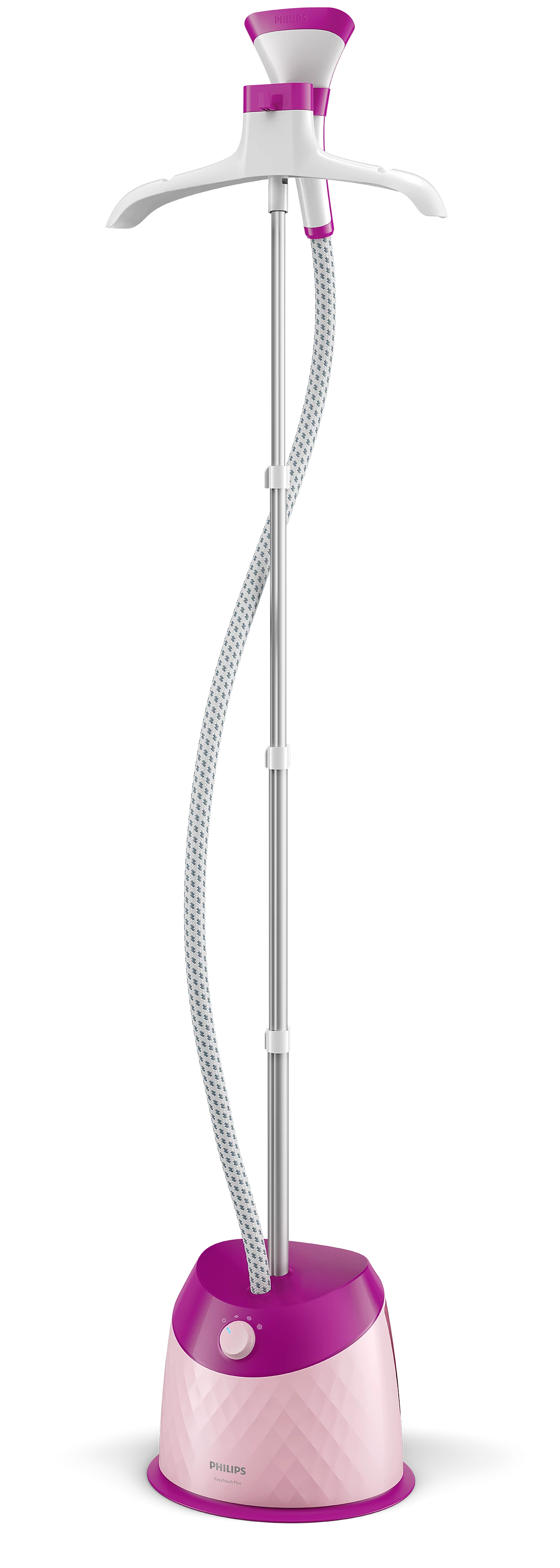
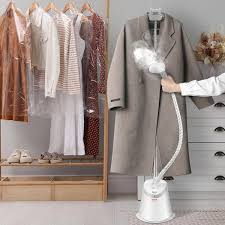
First up are the Upright or Standing Steamers. These are the workhorses of the commercial world. They typically feature large water tanks, often ranging from 3 to 5 liters, which provide an impressive 90 minutes or more of continuous steam, minimizing interruptions during busy periods. They boast powerful steam output, adjustable telescopic poles for varying garment lengths, and often come with wheels for easy maneuverability around a workspace. These standing units are ideal for high-volume steaming tasks, such as preparing an entire rack of clothes for a retail floor or quickly refreshing batches of uniforms.
While less common for truly “commercial” heavy-duty roles, Handheld or Portable Steamers can still find a niche in professional settings for quick touch-ups or travel. They are compact, lightweight, and heat up rapidly, making them suitable for on-the-go adjustments, like smoothing out a slight crease on a garment just before a photo shoot or a client meeting. However, their smaller water capacity means they aren’t designed for prolonged, continuous use.
Beyond the main units, several accessories enhance the functionality of commercial steamers. Fabric brushes help to remove lint and deepen steam penetration on heavier materials. Crease tools can assist in creating sharp pleats or defined lines. Multi-functional hangers provide sturdy support for various garment types, making the steaming process smoother and more efficient. Heat-protective gloves are also a must-have for safety, shielding hands from the powerful hot steam.
How to Choose the Best Commercial Garment Steamer for Your Business
Selecting the best commercial garment steamer involves carefully considering several features to ensure it meets the specific demands of your operation. It’s not just about getting any steamer; it’s about finding the right steamer that can keep up with your business.
Power and Steam Output (Wattage & g/min): For commercial use, higher wattage is non-negotiable. Look for models in the 1500W to 2000W range. This high power translates to robust steam output, typically 60 to 100 grams per minute, and strong steam pressure, often around 4 to 5 bars. Such power is crucial for quickly and effectively penetrating thick fabrics like denim or upholstery, and for efficiently tackling stubborn wrinkles without leaving fabrics damp.
Water Tank Capacity & Continuous Steam Time: Nobody wants to constantly refill a water tank in the middle of a busy day. Commercial steamers should have large water reservoirs, ideally between 3 to 5 liters, to provide extensive continuous steaming. This capacity often allows for 90 minutes or more of uninterrupted operation, a significant advantage for high-volume tasks.
Heat-Up Time: While not as critical as steam output, a fast heat-up time—anywhere from 30 seconds to a couple of minutes—can contribute to greater efficiency, especially when you need quick turnarounds.
Durability and Build Quality: Commercial environments are tough, so your steamer needs to be tougher. Prioritize models constructed with high-quality, commercial-grade materials that can withstand frequent and rigorous use. Stainless steel components and sturdy housing are good indicators of longevity.
Portability and Storage: Even upright steamers can benefit from features that aid mobility. Look for models equipped with smooth-gliding wheels for easy transport between different areas of your business. Telescopic poles are also great for adjusting height during use and for compact storage when the steamer isn’t needed.
Safety Features: Safety should always be a top priority. Essential features include an automatic shut-off function when the water tank runs dry or the unit overheats, a stable design with a rigid telescopic pole to prevent tipping, and an anti-condensation nozzle to minimize dripping and accidental burns.
Attachments: A versatile steamer will come with various attachments like fabric brushes for lint removal and better steam penetration, crease tools for crisp lines, and multi-functional hangers for different garment types. These accessories expand the steamer’s utility and make your work easier.
Reviews and Reputation: Before making a final decision, always check reviews from other businesses or professionals. Their real-world experiences can provide invaluable insights into a steamer’s performance, durability, and any potential quirks. Brands like SALAV, Jiffy, ADVWIN, and True & Tidy frequently appear in discussions about top commercial models.
Maximizing Efficiency: Tips and Tricks for Effective Commercial Garment Steaming
Using a commercial garment steamer effectively isn’t just about turning it on; it’s about technique and smart practices. With a few simple tips and tricks, you can ensure flawless results every time, making the most of your investment in the best commercial garment steamer.
First, pre-steaming preparation is key. Always hang garments properly on a sturdy hanger. This allows the fabric to fall naturally, giving you a smooth surface to work with. For items like shirts or blouses, ensure buttons are fastened to maintain shape.
When it comes to techniques for different fabrics, remember that steam is gentle, but approach delicate materials like silk or chiffon with a lighter touch, holding the nozzle slightly further away. For heavier fabrics such as wool, denim, or drapes, you can hold the nozzle closer and use the fabric brush attachment to open up the fibers, allowing deeper steam penetration. Move the steamer from top to bottom, allowing gravity to help smooth out wrinkles.
Working with pleats and delicate details requires a bit more finesse. For pleats, use a crease tool or carefully pinch the fabric together while steaming along the fold. For embellishments, be mindful of direct steam, which could affect glues or delicate materials. Steam around them rather than directly on them.
Don’t underestimate the power of using attachments effectively. The fabric brush is excellent for refreshing upholstery or tackling stubborn wrinkles on thicker garments. A lint brush attachment helps clean as you steam, making your process even more efficient.
Finally, always follow safety best practices. Wear heat-protective gloves, ensure the steamer is on a stable, flat surface, and never point the steam nozzle at yourself or others. Always allow the steamer to cool down before packing it away or attempting maintenance. These small steps ensure a safe and productive steaming experience.
Beyond Wrinkles: The Multifaceted Benefits of Commercial Garment Steamers
A commercial garment steamer offers far more than just wrinkle removal; it’s a versatile tool that brings a host of benefits to any business prioritizing fabric care and presentation.
One of the most significant advantages is how it preserves fabric integrity. Unlike the harsh, direct heat of an iron that can scorch, flatten, or create shiny spots on certain materials, steam gently relaxes fibers. This is particularly crucial for delicate fabrics like silk, cashmere, lace, and even intricate synthetic blends, ensuring they maintain their original texture, color vibrancy, and luxurious feel, thereby extending the garment’s lifespan.
From an operational standpoint, commercial steamers offer considerable time and labor savings. They are notably faster than ironing, especially when dealing with multiple garments or items that are difficult to iron, like drapes or tailored suits. This efficiency translates directly into increased productivity and reduced labor costs for your business.
Moreover, the hot steam generated by these machines is a powerful agent for odor elimination and sanitation. It effectively kills up to 99.9% of bacteria, dust mites, and allergens, making it an excellent way to freshen up garments, upholstery, and linens between washes or for items that cannot be wet-cleaned. This sanitizing capability is invaluable in hospitality settings or retail where hygiene is paramount.
The versatility of a commercial garment steamer extends far beyond just clothes. It can effortlessly refresh curtains, bed linens, tablecloths, and even upholstery, making it a multi-purpose tool for maintaining an immaculate business environment.
Finally, adopting garment steaming is an eco-friendly choice. By reducing the need for frequent dry-cleaning, which often involves harsh chemicals, businesses can lessen their environmental footprint. Steaming also helps extend the life of garments, contributing to less textile waste. [cite: 2 (benefits)]
Keeping Your Steamer in Top Shape: Maintenance and Troubleshooting
To ensure your best commercial garment steamer continues to perform flawlessly and has a long service life, a consistent maintenance routine is essential. Neglecting proper care can lead to mineral buildup and costly repairs.
For daily care, after each use, allow the steamer to cool completely. Then, empty any remaining water from the tank and drip tray. It’s a good practice to wipe down the steaming chamber and leave the door or cap open overnight to allow it to air dry, preventing odor and mildew buildup. [cite: 3 (maintenance)]
Regular descaling is arguably the most crucial maintenance task. Hard water contains minerals like calcium and lime that can accumulate on heating elements and internal components, leading to reduced steam output or even unit failure. Experts recommend descaling weekly or bi-weekly, depending on your water hardness and usage frequency. You can use a solution of equal parts white vinegar and water, filling the tank and running the steamer briefly, then letting it soak before draining and rinsing thoroughly with clean water. Alternatively, commercial deliming solutions are available. [cite: 1, 2, 3, 4, 5 (maintenance)]
Beyond descaling, routine inspections are vital. Regularly check gaskets and seals around the water tank for any signs of wear or damage, replacing them if necessary to prevent leaks. Inspect water filters and cartridges, replacing them quarterly or bi-annually, especially if your water quality is poor. [cite: 1, 2 (maintenance)] Also, visually examine hoses for kinks or cracks and electrical components for any frayed wires or damage.
Even with diligent maintenance, issues can sometimes arise. Here are some common problems and quick fixes:
- No steam or weak steam: This is most often due to mineral buildup. Descaling is the primary solution. Also, check if the water tank is filled to the correct level or if steam vents are clogged (use a pin to gently clear them). [cite: 4, 5 (maintenance)]
- Leaking water: This could be caused by damaged seals, an overfilled water tank, or condensation building up in a kinked steam hose. Check seals, ensure correct water levels, and hold the hose upright to clear condensation. [cite: 1, 4, 5 (maintenance)]
- Steamer not turning on: First, check the power outlet, fuse box, and ensure the plug is fully inserted. Inspect the power cord for any visible damage. [cite: 4, 5 (maintenance)] For internal electrical issues, it’s best to consult a professional.
Expert Insight: What the Pros Say About Commercial Steamers
“In the fashion retail world, time is money, and appearance is everything,” says Eleanor Vance, a seasoned Textile Care Specialist with over two decades of experience. “The right commercial garment steamer isn’t just a convenience; it’s a strategic asset. We look for models with robust power and a substantial water tank that can deliver consistent, high-pressure steam for hours on end. This eliminates bottlenecks in our workflow and ensures every garment on display looks showroom-ready, protecting our brand image and bottom line.”
“Beyond the quick fix of wrinkle removal, the long-term benefits for fabric health are truly underestimated,” adds Marcus Chen, a professional dry-cleaner and fabric care consultant. “For delicate materials that can’t withstand traditional ironing, or items that only need a refresh, commercial steaming is invaluable. It helps maintain the fabric’s integrity, extend its life, and, importantly for businesses, reduce their reliance on more aggressive cleaning methods, saving both cost and textile degradation over time.”
Frequently Asked Questions (FAQ)
Q: How often should I descale my commercial garment steamer?
A: You should descale your commercial garment steamer weekly for heavy use or if you have hard water, and at least bi-weekly for moderate use. Regular descaling prevents mineral buildup, which can impair performance and lead to damage. [cite: 1, 2 (maintenance)]
Q: Can a commercial garment steamer be used on all fabric types?
A: Yes, commercial garment steamers are safe and effective for virtually all fabric types, from delicate silks and satins to sturdy cottons, wools, and even upholstery. The gentle nature of steam protects fibers that direct heat from an iron might damage.
Q: Is a commercial steamer better than an iron for my business?
A: For most commercial applications, a steamer is generally superior to an iron. Steamers are faster for large volumes, safer for delicate fabrics, and can also sanitize and remove odors. Irons are still useful for crisp lines on certain structured garments, but steamers offer broader versatility and fabric preservation benefits.
Q: What wattage is considered “commercial grade” for a steamer?
A: For commercial use, a garment steamer with a wattage between 1500W and 2000W is generally considered commercial grade. This power range ensures effective and rapid steam output, capable of handling a wide variety of fabrics and heavy workloads.
Q: How long does a commercial garment steamer typically last?
A: With proper maintenance and regular descaling, a high-quality commercial garment steamer can last many years, often 5-10 years or even longer. Durability is a key feature of commercial-grade appliances designed for heavy use.
Conclusion
Choosing the best commercial garment steamer is a smart investment that can significantly elevate the presentation and care of fabrics in any business setting. From quickly smoothing out wrinkles and refreshing inventory to sanitizing garments and preserving delicate materials, these powerful machines offer unparalleled efficiency and versatility. By understanding the key features, adopting proper usage techniques, and committing to a consistent maintenance routine, you can ensure your commercial steamer remains a vital tool, keeping your textiles looking impeccable and your operations running smoothly. So, go ahead, discover the perfect commercial garment steamer and experience the difference it makes in achieving truly flawless fabrics.