Tired of battling stubborn wrinkles with an old-fashioned iron and ironing board? You’re not alone. In our fast-paced world, finding solutions that save time and deliver pristine results is paramount, and that’s where a top garment steamer comes into play. Imagine effortlessly smoothing out creases, refreshing your clothes, and looking impeccably put-together without the hassle. This guide will walk you through everything you need to know to choose and use the best garment steamer for your lifestyle, transforming your daily routine from tedious to seamless.
Empty State.
What is a Garment Steamer and Why is it Essential?
A garment steamer is a device that emits a continuous flow of hot steam to relax fabric fibers, allowing wrinkles to fall out naturally. Unlike ironing, which uses direct heat and pressure to flatten clothes, steaming is gentler on fabrics and doesn’t require an ironing board. It’s a modern marvel for anyone looking to maintain a polished appearance with minimal effort.
“Garment steamers are a game-changer for fabric care,” says Amelia Jenkins, a seasoned textile designer and apparel expert. “They not only remove wrinkles swiftly but also protect delicate fabrics that an iron might damage, like silk and intricate blends. It’s about preserving your wardrobe while looking your best.”
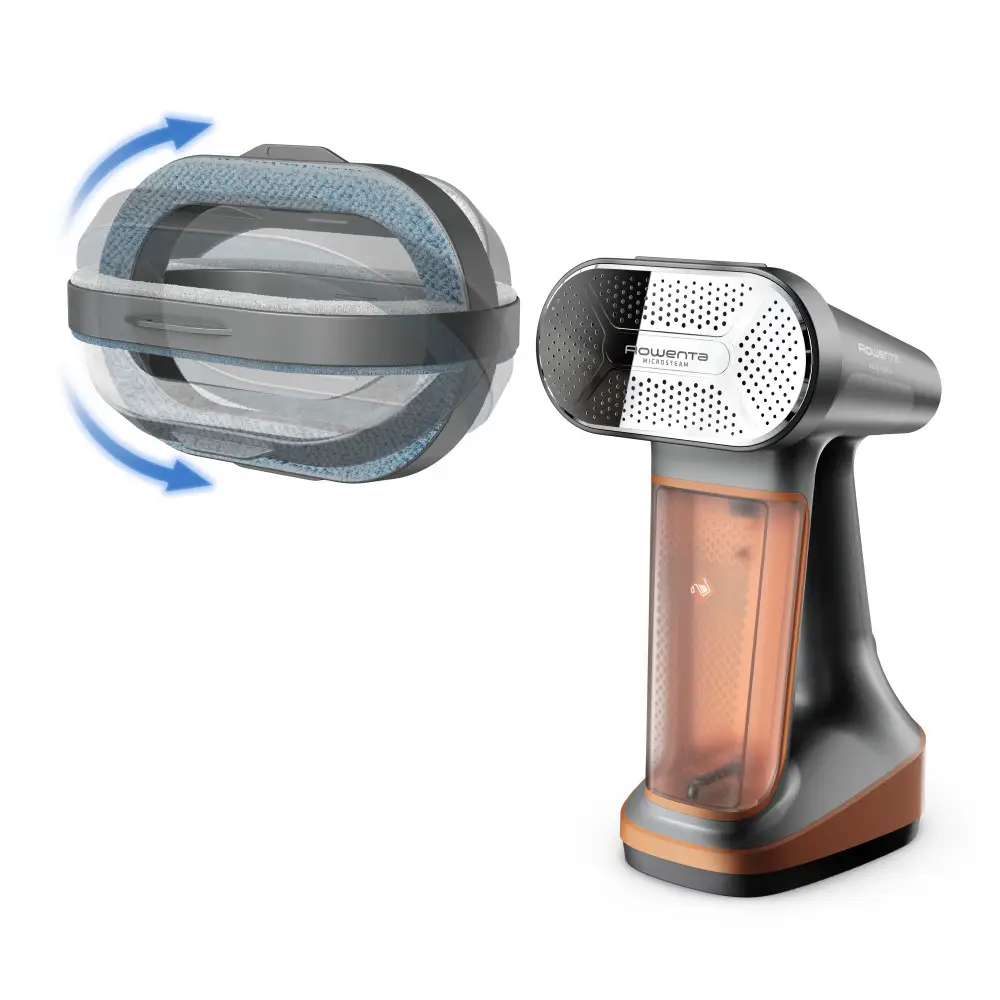
The importance of a garment steamer extends beyond just wrinkle removal. It helps to freshen clothes between washes, remove odors, and even sanitize fabrics without harsh chemicals, making it a versatile tool for both your wardrobe and home textiles.
Navigating the Best Choices for a Top Garment Steamer
When it comes to selecting a top garment steamer, the market offers a variety of options, each designed to meet different needs and preferences. The “best” steamer for you depends largely on how often you’ll use it, the types of fabrics you handle, and whether portability is a key factor. Key considerations include water tank capacity, heat-up time, run time, steam settings, and included attachments.
For instance, a steamer that heats up quickly, say in under a minute, is ideal for those rushed mornings. Larger water tanks mean longer continuous steaming sessions, perfect for tackling multiple garments or household items like curtains. Multiple steam settings offer versatility, allowing you to safely treat everything from delicate silks to sturdy denim. Attachments like fabric brushes and creasing tools further enhance functionality, providing a truly comprehensive fabric care experience.
Types of Garment Steamers and Their Accessories
Garment steamers typically come in two main forms: handheld and upright, with some innovative models offering a hybrid approach.
Handheld Garment Steamers
These compact devices are designed for convenience and portability.
- Pros: Handheld steamers are lightweight, easy to store, and perfect for quick touch-ups or travel. Many models heat up rapidly, making them ideal for last-minute wrinkle emergencies. They are also generally more affordable.
- Cons: Their smaller water tanks mean shorter run times and more frequent refills, which can be inconvenient for larger loads. While portable, some can still feel a bit bulky in a carry-on.
- Ideal for: Travelers, small apartments, students, or individuals who need to steam one or two items at a time.
Upright Garment Steamers
Upright steamers are typically larger, floor-standing units often equipped with a pole, hanger, and a long steam hose.
- Pros: Featuring large water reservoirs, upright steamers offer extended run times and powerful, continuous steam output, making them suitable for frequent use and substantial steaming tasks. They often come with built-in hangers or clips for easy garment management and wheels for mobility around the house.
- Cons: Their size requires dedicated storage space, and they are not designed for travel. The hose and metal fittings can sometimes get hot during prolonged use.
- Ideal for: Homes with large wardrobes, professionals who frequently steam suits and dresses, or for steaming draperies and upholstery.
Dual-Purpose Steamer/Iron Hybrids
Some innovative devices combine the functionality of a steamer and an iron, offering the best of both worlds.
- Pros: These versatile tools allow you to steam delicate items or press crisp creases into more structured garments, all with one device. They are excellent for those who want flexibility without owning multiple appliances.
- Cons: They can be heavier than standard handheld steamers due to the added ironing plate and might not be as effective as a dedicated iron for heavy-duty pressing.
- Ideal for: Users who appreciate versatility and need both steaming and light ironing capabilities.
Common Accessories
Many top garment steamer models come with useful accessories to enhance their performance:
- Fabric Brushes: Help open up fabric weaves to allow steam to penetrate deeper, excellent for heavier materials.
- Lint Removers: Keep your garments looking pristine by removing lint, pet hair, and fuzz.
- Creasing Tools: Allow you to create sharp creases on trousers or shirt sleeves.
- Heat-Protective Gloves: Essential for safely holding fabrics taut while steaming and preventing accidental burns.
How to Use a Garment Steamer Effectively
Getting the most out of your garment steamer is simple with a few effective techniques.
- Preparation is Key: Always fill your steamer with distilled water to prevent mineral buildup and extend its lifespan. Hang your garment on a hanger, ensuring it’s free-hanging to allow the steam to penetrate evenly.
- Allow Full Heat-Up: Wait for the steamer to fully heat up before you begin. Most models have an indicator light that tells you when it’s ready. Starting too early can lead to sputtering and water droplets on your clothes. As expert Karalyn Wysocki advises, “Making sure the steamer is fully to temperature and doing some test sprays will save a lot of headache for the sake of preventing water droplets ‘spitting’ on your garment.”
- The Right Technique: Hold the steamer nozzle a few inches away from the fabric (or use a brush attachment to maintain distance). Pull the fabric taut with your free hand (wearing a heat-protective glove is highly recommended) and move the steamer in a downward motion from top to bottom. The goal is to relax the fibers, not to press them flat.
- Tackling Stubborn Wrinkles: For tougher creases, pass the steamer over the area slowly, allowing the steam more time to penetrate. You can also steam the garment from the inside out for extra effectiveness, especially with sleeves and pant legs.
By following these steps, you’ll achieve professional-looking results every time, quickly transforming wrinkled items into smooth, ready-to-wear garments.
Tips and Tricks for Using Your Top Garment Steamer
Unlock the full potential of your top garment steamer with these expert tips and clever tricks:
- Delicate Fabrics: For silks, satins, and other delicate materials, keep the steamer nozzle a bit further away and use a gentle, sweeping motion. Some steamers have specific low-heat settings for these fabrics.
- Heavy Fabrics: For denim, wool, or thick cotton, use a fabric brush attachment to help lift the fibers, allowing the steam to penetrate more deeply and efficiently. More passes might be needed.
- Preventing Water Spots: To avoid annoying water spots, especially on dark fabrics, always ensure your steamer is fully heated before use. If sputtering occurs, pause, let it reheat, or check your water level. Using distilled water drastically reduces mineral deposits that can cause spotting.
- Hard-to-Reach Areas: Use an upright steamer with a wand for easy access inside pant legs and sleeves. For handheld models, gently stretch the fabric over a rounded surface (like a clean towel roll) to steam intricate areas.
- Refreshing Home Textiles: Don’t limit your steamer to clothes! It’s fantastic for freshening up curtains, drapes, tablecloths, and even upholstery, removing dust, odors, and light wrinkles.
Benefits and Applications of a Top Garment Steamer in Daily Life
A top garment steamer offers numerous benefits and practical applications that extend well beyond just de-wrinkling your daily attire.
- Everyday Wrinkle Removal: Say goodbye to the ironing board. Steamers are significantly faster for removing wrinkles from most garments, making them perfect for busy mornings or last-minute outfit changes.
- Travel Companion: Compact handheld steamers are ideal for keeping your clothes fresh and wrinkle-free while on the go. They easily fit into suitcases, ensuring you look sharp no matter your destination.
- Quick Refreshes Between Washes: Extend the life of your garments and reduce laundry loads by using a steamer to quickly refresh clothes that aren’t dirty but just need a little revitalization from wear or storage.
- Odor Elimination and Sanitization: The hot steam helps to kill bacteria and remove odors from fabrics, providing a natural way to sanitize and freshen items like coats, scarves, and even children’s toys without chemicals.
- Fabric Protection: Steaming is much gentler than ironing, preventing scorching, fading, or accidental shine marks on sensitive fabrics. It’s safe for a wide range of materials, from delicate silk to sturdy linen.
Maintenance and Troubleshooting for Your Garment Steamer
To ensure your top garment steamer remains in optimal condition and delivers consistent performance, regular maintenance is crucial.
Cleaning and Descaling
The most important maintenance task is descaling, especially if you don’t exclusively use distilled water. Mineral deposits from tap water can build up over time, affecting performance and potentially leading to sputtering or clogging.
- Descaling: Most manufacturers recommend descaling every few months or as needed. This usually involves filling the water tank with a mixture of equal parts white vinegar and distilled water, letting it sit for an hour (or as directed), then steaming until the tank is empty. Follow with a full tank of plain distilled water to rinse. Always consult your steamer’s manual for specific descaling instructions.
- External Cleaning: Wipe down the exterior with a damp cloth to remove any dust or residue.
Common Troubleshooting Tips
- Sputtering/Water Droplets: This often happens if the steamer hasn’t fully heated up, if the water tank is too low or too full, or if the steamer is held at an improper angle. Ensure proper water levels and allow adequate heat-up time.
- No Steam: Check if the water tank is completely empty, or if the unit is clogged with mineral buildup. Descaling often resolves this issue. Ensure the power cord is securely plugged in and the steamer is turned on.
- Steam is Weak: This can also be a sign of mineral buildup, hindering the heating element’s efficiency. Descaling should help restore steam power.
Proper care will keep your garment steamer a reliable tool for years to come, keeping your clothes looking their best with minimal fuss.
Frequently Asked Questions (FAQ)
Q1: Is a garment steamer better than an iron?
A garment steamer is often preferred for its speed and gentleness on fabrics, especially delicate ones, and it doesn’t require an ironing board. However, for crisp pleats or heavy fabrics that need a sharp press, an iron might still be the better choice. Many users find a steamer more convenient for everyday wrinkle removal and fabric refreshing.
Q2: What kind of water should I use in my garment steamer?
It is highly recommended to use distilled water in your garment steamer. This prevents mineral buildup, which can clog the steamer, cause sputtering, and shorten its lifespan. Tap water contains minerals that can leave white residue on your clothes and inside the machine.
Q3: How long does a garment steamer take to heat up?
Most modern garment steamers heat up very quickly, typically within 30 seconds to 2 minutes. Handheld models often heat up faster than larger upright units due to their smaller water tanks and heating elements.
Q4: Can I use a garment steamer on all fabrics?
Generally, garment steamers are safe for almost all fabrics, including silk, satin, chiffon, wool, cotton, linen, and synthetics. However, some delicate materials like velvet or heavily beaded garments require extra care; always test on an inconspicuous area first. Avoid using a steamer on unsealed leather or suede.
Q5: How often should I descale my garment steamer?
The frequency of descaling depends on how often you use your steamer and the hardness of your water. If you use distilled water exclusively, descaling is less frequent. If you use tap water, descaling every 1-3 months is generally recommended, or whenever you notice reduced steam output or sputtering. Always refer to your product manual for specific guidelines.
Conclusion
Choosing a top garment steamer is an investment in both your wardrobe and your peace of mind. By understanding the different types, their benefits, and how to use and maintain them, you can effortlessly banish wrinkles, refresh fabrics, and always step out looking your best. Whether you opt for a compact handheld for travel or a powerful upright for home, a high-quality garment steamer simplifies your life, saving you time and preserving the integrity of your clothes. So, why not embrace this convenient tool and experience the joy of wrinkle-free living? Give it a try – your clothes (and your schedule) will thank you!