Life moves fast, and keeping your clothes looking sharp shouldn’t slow you down. If you’re tired of battling an ironing board and a hot iron, it might be time to discover the magic of the best handheld garment steamer. These compact powerhouses are changing the game for quick touch-ups, delicate fabrics, and even freshening up your home textiles. Forget the chore; embrace effortless elegance with a tool designed for modern living.
Empty State.
What Exactly is a Handheld Garment Steamer?
At its core, a handheld garment steamer is a portable device crafted to banish wrinkles from your clothes and other fabrics using focused bursts of steam. It’s a simple yet effective tool, typically comprising a water reservoir, a heating element that quickly turns water into steam, and a nozzle to direct that steam. Some even come with handy brush attachments for tackling textured surfaces. These devices shine when it comes to spot-treating collars, cuffs, pleats, or those awkward areas where a traditional iron just can’t reach.
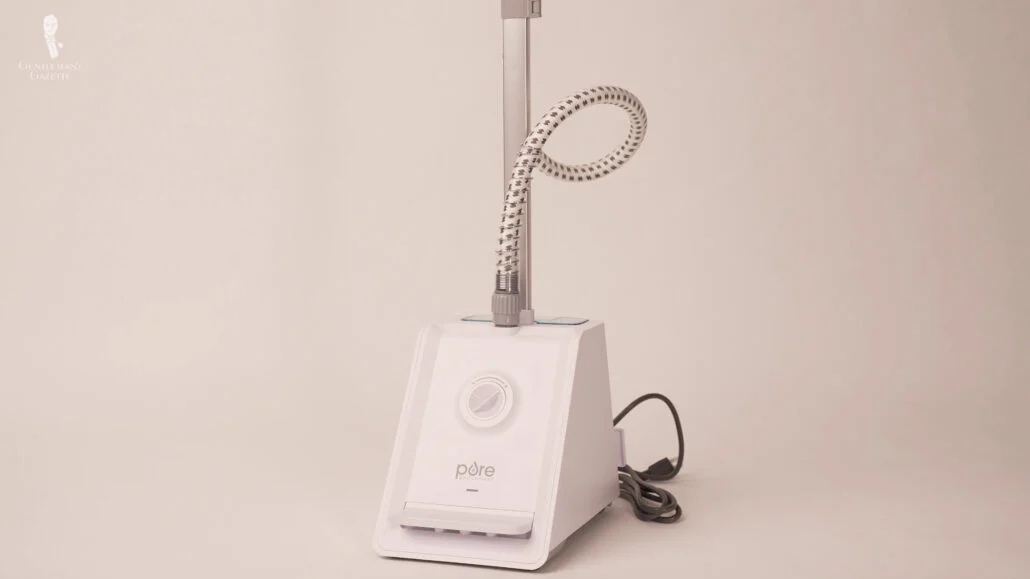
The rise in popularity of the handheld garment steamer isn’t just a trend; it’s a response to our busy lives. With more people working remotely, embracing minimalist wardrobes, and paying closer attention to fabric care, the demand for convenient, non-damaging alternatives to ironing has soared. These compact models solve common pain points associated with bulky irons—like lengthy setup times and the ever-present risk of scorching delicate fabrics. Modern life values mobility, so having a tool that slips into a suitcase, an office drawer, or even a nursery closet without fuss is a huge plus. As more users experience how quickly and safely a good steamer smooths creases without damaging fibers, their adoption continues to grow across the board.
Why Choose a Handheld Steamer Over an Iron?
While irons have their place, handheld garment steamers offer a host of advantages that make them a superior choice for many everyday garment care needs:
- Unmatched Portability: Handheld steamers are inherently compact and lightweight, making them your best friend for travel or if you live in a smaller space where storage is precious. They fit easily into luggage, ensuring you can keep your outfits pristine on the go.
- Fabric Safety First: Unlike irons, which apply direct heat and pressure, steamers relax fabric fibers with gentle steam. This significantly reduces the risk of burning, scorching, or leaving shiny marks on your cherished garments, making them ideal for delicate materials like silk, chiffon, and lace.
- Speed and Convenience: There’s no need to pull out an ironing board or wait for a heavy iron to heat up. Many top models are ready to steam in under a minute, offering a fast and efficient solution for last-minute touch-ups before you head out the door.
- Odor Removal and Sanitization: Beyond just smoothing wrinkles, the hot steam generated by these devices penetrates fabric fibers, helping to eliminate odors, bacteria, dust mites, and allergens. This means you can refresh clothes between washes, extending their wear and keeping them hygienic.
- Incredible Versatility: While superb for clothing, handheld steamers are also fantastic for refreshing other textiles around your home, from curtains and drapes to upholstery and even mattresses.
Finding Your Perfect Match: Key Features to Look For
Choosing the best handheld garment steamer means understanding what features truly matter for your lifestyle. Here’s a breakdown of what to prioritize:
Power Output (Wattage): The Steam Engine of Your Device
Think of wattage as the steamer’s muscle. A higher wattage typically translates to stronger, faster steam production, which is crucial for effectively tackling wrinkles. Aim for a model with at least 1000 watts for reliable performance, especially if you deal with thicker fabrics like denim or linen. Anything below 800W might struggle with stubborn creases.
Heat-Up Time: Get Ready in a Flash
Nobody likes waiting, especially when you’re in a hurry. The best handheld garment steamers boast rapid heat-up times, often under 30-60 seconds. A quick warm-up makes the device much more user-friendly for those rushed mornings or last-minute outfit decisions.
Water Tank Capacity: Steam More, Refill Less?
The size of the water tank impacts how long you can steam continuously before needing a refill. Handheld steamer tanks typically range from 150 ml to 350 ml. While larger tanks (200-350 ml) offer longer steaming sessions (up to 15-20 minutes, which is ample for several garments), they also add to the device’s weight. Consider your typical use: if it’s mostly for quick touch-ups on one or two items, a smaller tank is fine; for more extensive sessions, a larger capacity might be worth the slight increase in weight.
Portability and Ergonomics: Comfort in Your Hand
Since it’s a “handheld” device, comfort and ease of use are paramount. Look for models weighing under 2 pounds for effortless maneuvering. An ergonomic grip and intelligently placed buttons prevent hand fatigue during prolonged use. Some designs even feature foldable handles for ultra-compact storage and travel. Don’t forget the cord length; a minimum of 6 feet offers good flexibility, and integrated cord wraps or retractable cords are a bonus for neat storage.
Safety First: Essential Features
Safety features are non-negotiable. An automatic shut-off function (after 5-10 minutes of inactivity) prevents overheating, giving you peace of mind. Cool-touch exteriors are also vital, especially in households with children or pets, protecting your hands from accidental burns. A well-engineered steamer should also incorporate a drip-free design to prevent water spitting and leaks, which can dampen and potentially stain your clothes.
Attachments and Settings: Tailoring Your Steam
While not strictly necessary, various attachments can enhance your steaming experience. Fabric brushes help steam penetrate thicker materials and remove lint, silicone bands create tension for sharper results, and delicate fabric spacers protect sensitive items. Multiple steam settings (from gentle to turbo) offer versatility, allowing you to tailor the steam output to different fabric types, from robust cotton to fragile silk.
Voltage Compatibility: Your Travel Buddy
If your travels often take you across international borders, a handheld garment steamer with dual voltage (110V/220V) compatibility is a game-changer. This ensures your steamer will work seamlessly worldwide, saving you the hassle and extra weight of carrying a voltage converter.
Types of Handheld Garment Steamers: A Quick Overview
While all handheld steamers serve a similar purpose, they come in a few distinct categories:
- Basic Entry-Level Steamers: These are typically budget-friendly models, lightweight, and easy to store, best suited for occasional use and light touch-ups. They usually have smaller tanks and may take a bit longer to heat up.
- Mid-Range Performance Models: Offering a great balance of value and performance, these models (often priced between $40-$80) provide faster heat-up times, larger tanks, and often include continuous steam modes and better safety features. They are ideal for regular home use.
- Premium Travel-Friendly Units: Designed with the globetrotter in mind, these units often boast dual voltage capabilities, compact sizes, leak-proof seals, and durable construction. They might come with foldable handles for ultimate portability but usually have a higher price tag.
- Multi-Functional Steam Cleaners: Larger than standard handheld garment steamers, these versatile devices combine garment steaming with surface cleaning capabilities, often coming with multiple nozzles for tackling everything from bathroom tiles to windows. They are heavier but offer broader utility.
Beyond Clothes: Surprising Uses for Your Handheld Steamer
Your handheld garment steamer is more than just a wrinkle warrior for your wardrobe. Its sanitizing and refreshing power makes it a surprisingly versatile tool for various household tasks:
- Freshen Curtains and Drapes: Instead of wrestling heavy curtains off their rods for a wash, you can steam them vertically to remove creases, dust, and odors right where they hang.
- Revitalize Upholstery: Sofas, armchairs, and even car interiors can harbor odors and look drab. A quick pass with your steamer can refresh fabrics, lift light stains, and eliminate bacteria, making them look and smell cleaner.
- Sanitize Mattresses and Pillows: Hot steam is excellent for killing dust mites and germs lurking in your bedding. Use your steamer to sanitize mattresses, pillows, and even pet beds for a healthier sleeping environment.
- Shine Windows and Mirrors: Believe it or not, a garment steamer can help you achieve streak-free windows and mirrors. The steam helps break down dirt and residue, which can then be wiped clean.
- Clean Grout and Tight Spaces: The focused jet of steam can dislodge grime from tile grout, kitchen corners, and other hard-to-reach areas, making cleaning much easier.
As Dr. Clara Benson, a renowned textile care specialist, advises, “A handheld garment steamer is an unsung hero in modern home care. Its ability to gently rejuvenate fabrics and sanitize surfaces offers incredible value, often extending the life of items you thought were destined for replacement.”
Tips for Effective Steaming and Maintenance
To get the most out of your best handheld garment steamer and ensure its longevity, keep these tips in mind:
- Use Distilled Water: Always opt for distilled water instead of tap water. Tap water contains minerals that can build up over time, leading to limescale, clogging, reduced steam output, and potentially spitting. Distilled water prevents these issues, keeping your steamer running smoothly.
- Descale Regularly: Even with distilled water, some mineral residue can accumulate. Descale your steamer every 1-2 months with a 1:1 water-vinegar solution, or more frequently if you notice reduced steam.
- Empty After Each Use: Never store your steamer with water in the tank. Emptying it completely after each use prevents mold growth and mineral buildup, especially if it will be stored for a period.
- Proper Steaming Technique:
- Hang garments on a hanger for vertical steaming.
- Hold the steamer nozzle a few inches away from the fabric, moving it in continuous, downward strokes.
- For stubborn wrinkles, gently pull the fabric taut with your free hand (use a steaming glove for protection).
- Allow garments to cool and dry for a few minutes before wearing or storing to prevent new wrinkles.
- Store Upright: Store your steamer in a dry place, preferably upright, to prevent any residual water from leaking.
Common Questions About Handheld Garment Steamers
Here are answers to some frequently asked questions to help you become a steaming pro:
Q: Can I use tap water in my handheld garment steamer?
A: It’s strongly recommended to use distilled water to prevent mineral buildup and extend the life of your steamer. Tap water can cause scaling, reducing efficiency and potentially leading to spitting.
Q: How often should I descale my handheld steamer?
A: With regular use, descaling every 1–2 months is a good practice. If you live in an area with hard water or notice a drop in steam output, descale more frequently.
Q: Are handheld steamers safe for silk and other delicate fabrics?
A: Yes, absolutely! Handheld steamers are generally safer for delicate fabrics than irons. Just hold the nozzle slightly away from the material and keep the steamer moving continuously to avoid oversaturating the fabric.
Q: Do handheld garment steamers work on curtains and upholstery?
A: Most handheld models are effective for light drapes and fabric-covered furniture, offering a quick way to refresh and de-wrinkle. For heavy-duty upholstery cleaning, a larger, more specialized steamer might be better.
Q: What should I do if my steamer starts leaking?
A: First, ensure the water tank is properly sealed and the cap is tightened. If leaking persists, it might indicate a worn seal or a manufacturing issue. Consult your user manual or the manufacturer for potential replacement parts or warranty service.
Q: How long does a handheld steamer typically last?
A: With proper maintenance, including using distilled water and regular descaling, a good quality handheld steamer can last for several years.
Conclusion
The best handheld garment steamer is more than just a convenience; it’s an essential tool for maintaining a polished look with minimal effort and maximum care for your clothes. From quick morning touch-ups to refreshing delicate fabrics and even sanitizing household textiles, its versatility is unmatched. By considering factors like power, heat-up time, and tank capacity, and embracing good maintenance habits, you can confidently choose a device that will simplify your daily routine and keep your garments looking their absolute best. So go ahead, step into the world of wrinkle-free living, and discover how a little steam can make a big difference!