Ever stared into your closet, outfit ready, only to find your favorite shirt a crumpled mess? The thought of dragging out the ironing board, waiting for the iron to heat up, and then meticulously pressing each crease can feel like a chore you simply don’t have time for. What if there was a quicker, easier way to get that freshly pressed look without the hassle? Enter the best handheld garment steamer – a game-changer for anyone seeking a wrinkle-free wardrobe with minimal effort.
This isn’t just about saving time; it’s about preserving your clothes, tackling tricky fabrics, and always looking your best, whether you’re rushing to a meeting or jetting off on an adventure. Handheld garment steamers are compact powerhouses designed to make your life smoother, one steam cloud at a time.
Empty State.
What is a Handheld Garment Steamer and Why Do You Need One?
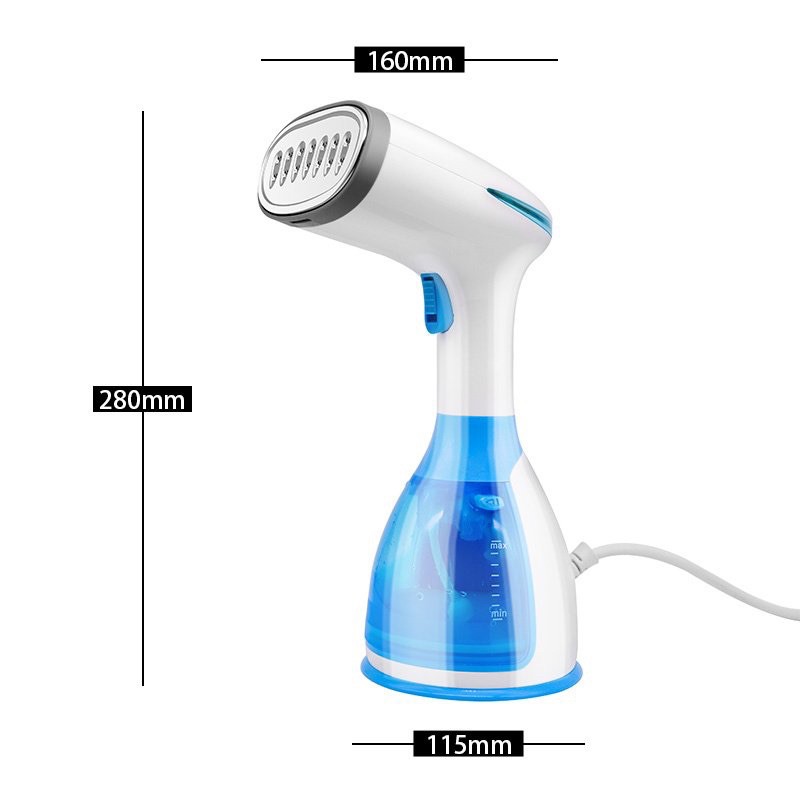
At its core, a handheld garment steamer is a portable appliance that uses hot steam to relax fabric fibers, effortlessly smoothing out wrinkles and refreshing your clothes. Unlike traditional irons, which use direct heat and pressure, steamers are gentler on fabrics, minimizing the risk of scorching or shine. Imagine a mini spa treatment for your garments, right in your own home or even on the go.
The convenience factor alone makes a strong case for owning the best handheld garment steamer. They heat up incredibly fast, often in under a minute, meaning you can de-wrinkle an outfit in mere moments. Their lightweight and compact design makes them perfect for quick touch-ups, refreshing items between washes, and, crucially, for travel. No more arriving at your destination with suitcase-creased clothes! Plus, many models are versatile enough to work on a wide range of fabrics, from delicate silks to sturdy denim, and can even tackle upholstery and curtains.
Finding Your Perfect Match: Types of Handheld Garment Steamers and Key Features
Choosing the best handheld garment steamer can feel a bit like picking out a new smartphone – so many options, so many features! But by understanding your needs and what makes a great steamer, you’ll be able to confidently select a model that fits seamlessly into your lifestyle.
There are generally a few categories you’ll encounter. Basic travel steamers prioritize extreme portability and quick fixes, often with smaller water tanks. Then there are more robust everyday-use models, which offer stronger steam output and larger capacities for tackling multiple garments at home. Some innovative options even double as a mini iron, providing the best of both worlds.
Power and Steam Output: The Muscle Behind the Mist
When it comes to wrinkle removal, power is paramount. Look for a handheld garment steamer with at least 1000 watts of power; this ensures a consistent and strong steam output that can effectively relax even stubborn creases. Think of it like a mini steam engine, generating enough oomph to get the job done efficiently. You also want a steamer that produces “dry” steam rather than wet steam, which prevents your clothes from becoming damp or developing water spots. Many top-rated models, such as the Conair Turbo ExtremeSteam, offer multiple steam settings, allowing you to tailor the intensity to different fabric types – a gentle puff for silk, a powerful blast for linen.
Heat-Up Time: Instant Gratification
Nobody wants to wait around when they’re in a hurry. The best handheld garment steamer should boast a rapid heat-up time. Many excellent models are ready to steam in 30 to 40 seconds, with some even faster. This quick readiness is invaluable for those last-minute outfit emergencies or when you just need a swift touch-up before heading out the door. It’s about efficiency, pure and simple.
Water Tank Capacity and Run Time: Go the Distance
The size of the water tank directly impacts how long you can steam continuously without refilling. For handheld models, a capacity between 200ml and 350ml is often considered ideal, offering a good balance between portability and extended use. A smaller tank might be fine for a single item, but if you’re planning to refresh a few pieces, you’ll appreciate the longer run time a larger tank provides. For instance, the CHI Handheld Garment Steamer, a popular travel option, provides about five minutes of continuous steam, while some larger handhelds can go for upwards of 10-12 minutes.
Portability and Design: Your Travel Companion
The very essence of a handheld steamer is its portability. Look for lightweight designs (ideally under 2 lbs), an ergonomic grip that feels comfortable in your hand, and a compact size that’s easy to store or pack in a suitcase. Features like a long power cord offer greater flexibility, and if you’re a frequent international traveler, a dual-voltage option is a must-have for seamless use across different power standards. Foldable designs, like the Beautural Foldable Handheld Steamer, take portability to the next level.
Attachments and Accessories: More Than Just Steam
Many handheld steamers come with a suite of handy attachments that enhance their versatility. Fabric brushes are excellent for lifting fibers and helping steam penetrate thicker materials, while crease tools can help you achieve sharper lines on collars and pleats. Some even include lint removers or specialized pads for delicate fabrics. These small additions can significantly improve your steaming experience and the results you achieve with your best handheld garment steamer.
Master the Wrinkle-Free Art: How to Use Your Handheld Garment Steamer Effectively
Using a handheld garment steamer is remarkably straightforward, but a few pro tips can elevate your results from good to gorgeous.
Preparation is Key: First, ensure your steamer is filled with distilled water if recommended by the manufacturer – this helps prevent mineral buildup and extends its life. Once filled, plug it in and wait for it to heat up fully; most models have an indicator light to let you know when it’s ready.
The Right Technique: Hang your garment on a hanger. This allows the fabric to drape naturally and gives you easy access to all areas. Hold the steamer upright, about an inch or two away from the fabric, and move it slowly from top to bottom. For stubborn wrinkles, you can gently pull the fabric taut with your free hand. Don’t press the steamer head directly onto the fabric unless it’s designed for direct contact (like a dual-purpose steamer). The goal is to let the hot steam do the work of relaxing the fibers.
Tips for Different Fabrics:
- Delicates (silk, chiffon): Keep the steamer a bit further away and use a light touch.
- Heavy Fabrics (wool, denim): Move the steamer more slowly and use a brush attachment to help the steam penetrate.
- Collars and Cuffs: Use a light touch and potentially a crease attachment for crisp edges.
Beyond Clothes: Unexpected Uses and Benefits of Your Handheld Steamer
While its primary role is to banish wrinkles from your clothes, the best handheld garment steamer is a surprisingly versatile tool for many other tasks around the house. Karalyn Wysocki, an expert textile designer, points out that steamers are fantastic for items that would be difficult or risky to iron.
Think about refreshing curtains and drapes without taking them down, steaming upholstery on furniture to remove odors and minor wrinkles, or even sprucing up bedding between washes. Some advanced models, like the Laurastar IGGI, even boast disinfecting properties, capable of killing up to 99.9% of viruses and bacteria on fabrics, making them useful for sanitizing pet beds, children’s toys, and cloth face masks. This multi-purpose functionality truly adds value to your investment in a quality handheld steamer.
Keeping Your Steamer Steaming: Maintenance and Troubleshooting
To ensure your best handheld garment steamer continues to perform flawlessly for years, a little TLC goes a long way.
Maintenance: The most common maintenance tip is to always empty the water tank after each use. This prevents water from sitting and potentially causing mineral buildup, especially if you’re not using distilled water. Periodically, you might need to descale your steamer by running a solution of equal parts white vinegar and water through it, followed by clean water, to remove any mineral deposits that can affect steam output.
Common Troubleshooting:
- No steam or weak steam: Check the water level, ensure it’s fully heated, and consider descaling if you suspect mineral buildup.
- Spitting water: This usually happens if the steamer hasn’t fully heated up yet, or if there’s too much water in the steam chamber. Allow it more time to heat or ensure you’re not overfilling.
- Steamer leaking: Ensure all parts are properly secured, and the water tank is correctly inserted. Overfilling can also cause leaks.
FAQs about Handheld Garment Steamers
It’s natural to have questions when considering adding a new gadget to your home routine. Here are some common queries about handheld garment steamers:
Are handheld garment steamers better than irons?
Neither is definitively “better” overall; they serve different purposes. Handheld steamers are faster for quick de-wrinkling and refreshing, gentler on delicate fabrics, and don’t require an ironing board. Irons provide sharper creases and are better for heavy-duty pressing. Many households find having both is the best solution.
Can I use tap water in my steamer?
While some manufacturers say it’s okay, using distilled water is generally recommended to prevent mineral buildup, which can clog your steamer and reduce its lifespan. Hard water, in particular, can lead to frequent descaling needs.
How long does a handheld steamer last?
With proper care and maintenance, a good quality handheld garment steamer can last for several years. Regularly descaling and emptying the water tank after each use are key to longevity.
What fabrics should I not steam?
Most fabrics can be safely steamed, including cotton, linen, silk, wool, and synthetics. However, very delicate materials like waxed jackets or suede should generally not be steamed, as the moisture can damage them. Always check the garment’s care label if unsure.
Is it safe to use a handheld steamer on all fabrics?
Generally, yes. Steamers are much safer than irons for a wider range of fabrics because they don’t apply direct heat or pressure. This makes them ideal for delicate items that might scorch or stretch under an iron, as noted by textile expert Karalyn Wysocki. However, always exercise caution with extremely delicate embellishments or materials where moisture is explicitly warned against.
Conclusion
In a world where looking presentable often feels like a constant battle against wrinkles, the best handheld garment steamer emerges as your unsung hero. It’s more than just a convenience; it’s a tool that empowers you to keep your wardrobe fresh, your home looking neat, and your confidence high. From busy mornings to last-minute travel preparations, this compact device offers a quick, efficient, and fabric-friendly solution to everyday creases. So, if you’re ready to embrace an easier way to a perfectly polished look, it’s time to discover the power and versatility of a handheld garment steamer and unlock a wrinkle-free world.